In fresh fruit trade between Vietnam and demanding markets such as South Korea and Japan, two terms frequently appear in offer documents: VietGAP and GlobalG.A.P. For importers, these are not merely marketing factors but risk assessment tools: certification reflects the level of control over pesticide residues, cultivation conditions, traceability, and the ability to maintain quality on a lot-by-lot basis. Understanding these two systems correctly helps buyers set accurate technical requirements right from the negotiation stage.
Where do VietGAP and GlobalG.A.P differ?
VietGAP is a good agricultural practices standard issued by the Ministry of Agriculture and Rural Development of Vietnam, based on HACCP principles and integrated pest management. VietGAP certification is granted by designated certification bodies, is valid for a limited period, and is tied to each specific growing region, cooperative, or enterprise. For the domestic market and some export orders to China, VietGAP is often the minimum requirement.
GlobalG.A.P is an international standard managed by the GlobalG.A.P organization (Germany), widely recognized by retailers in Europe, Japan, and South Korea. This standard has a more detailed control point system, with requirements for land, water, fertilizer, plant protection products, labor safety, and post-harvest handling. Some versions such as GlobalG.A.P IFA (Integrated Farm Assurance) also include the GRASP module on social responsibility. In principle, GlobalG.A.P does not replace VietGAP but adds a higher level of rigor, especially in record-keeping and internal assessment.
Why importers need to check growing area codes
A Planting Unit Code (PUC) is an identifier issued by Vietnam's plant protection authority to each growing area that meets the requirements for export to a demanding market. For South Korea and Japan, this code is tied to phytosanitary requirements and vapor heat treatment (VHT) for certain fruits such as mango and dragon fruit. If a shipment does not originate from a growing area with a valid code, the phytosanitary dossier may be rejected right at the border gate, causing losses in container detention costs and time.
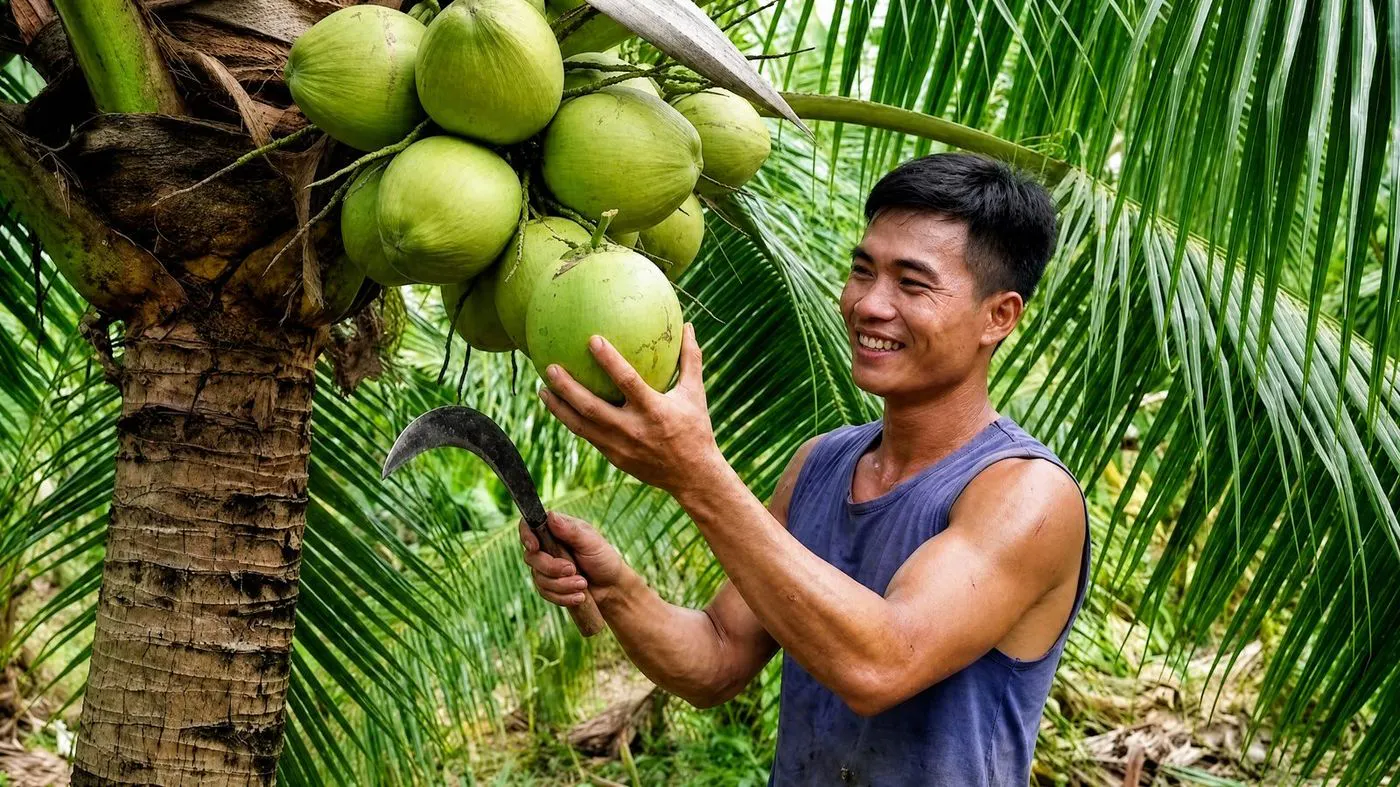
The growing area code also serves as the basis for traceability when there is a food safety alert. When the importer receives a notification from the competent authority regarding residue or pests, cross-checking the growing area code helps determine the scope of impact and decide whether to suspend or continue importing other shipments.
How to verify certificates and codes
Step one, request that the supplier send a scanned copy of a valid VietGAP or GlobalG.A.P certificate, along with an appendix listing the products and growing area addresses. Check the certification body's name, certificate number, issue date, and expiry date. For GlobalG.A.P, you can look it up on the organization's online database using the certificate number or the name of the certified entity.
Step two, cross-check the growing area code on the certificate against the code recorded on the phytosanitary dossier and on the packaging. Discrepancies among these three sources are a sign that re-verification is needed. The importer may ask the supplier to provide the list of growing area codes published by the Vietnamese plant protection authority for the target market.
Step three, check the consistency between the certification and the actual shipment: size, Brix level, packaging specifications, cold chain temperature, and transit time. Certification is only valid when accompanied by actual operational procedures. For orders to South Korea or Japan, you should additionally request photos of packaging bearing the growing area code and VHT treatment records if required.
Implication for the sales contract
Importers should incorporate requirements regarding certifications, growing area codes, and phytosanitary documentation as specific contract clauses, along with provisions on supplying original or notarized copies prior to shipment. For items such as Cat Hoa Loc mango, dragon fruit, or durian, early verification helps reduce risks at the destination port and maintain delivery schedules.
TFIMEX provides certification documents and growing area codes for each shipment upon the buyer's request. Contact export@tfimex.vn to receive the list of growing areas and related documents for the Korean, Japanese, and other markets.