
TFIMEX Joint Stock Company monitors the entire journey of Vietnamese fruit — from cultivation and harvesting to quality control, packaging, and international logistics.
TFIMEX is a Vietnamese fruit import-export company, operating around a single responsible care chain. We work directly with partner farms in key growing regions, self-manage processing and quality control, and prepare each shipment to international standards.
The export portfolio includes fresh produce — Cavendish bananas, dragon fruit, mangoes, and fresh coconuts — along with a line of IQF frozen fruits and vegetables. We also import premium fruits and food products for the Vietnamese market.
"Vietnamese fruit — export & import" isn't a slogan on the wall. It's how we handle fruit: carefully, traceably, and always with the buyer's shelf life in mind.
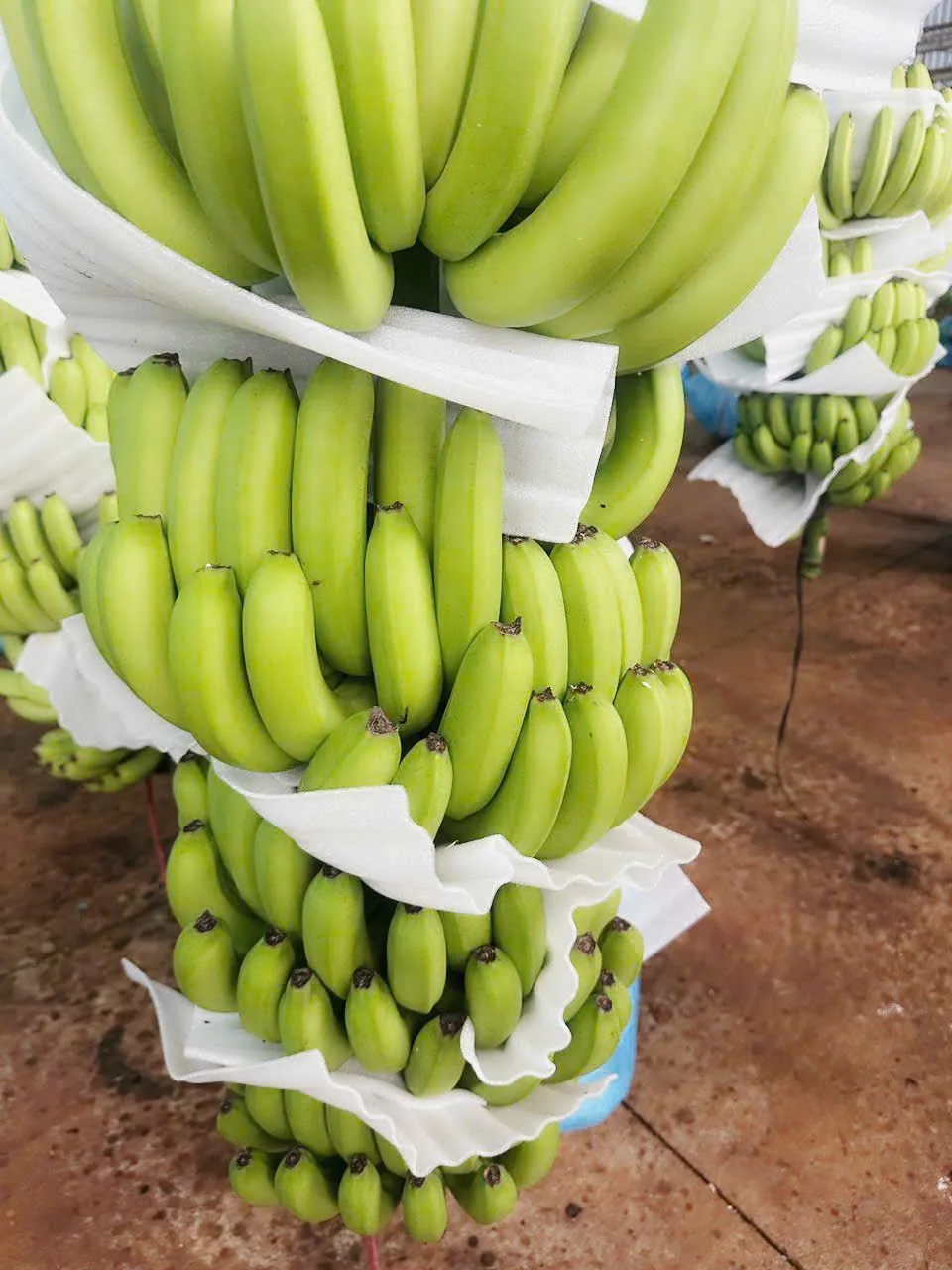
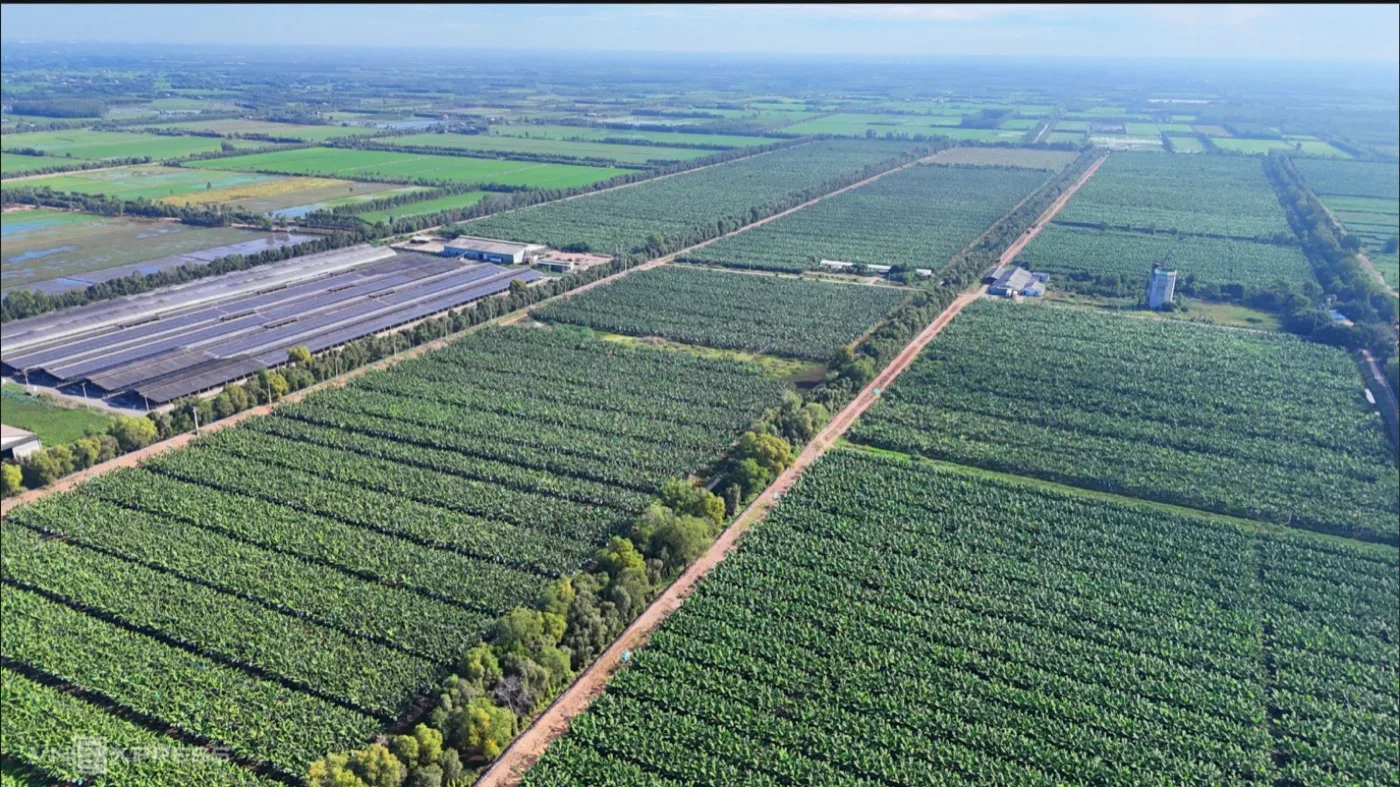
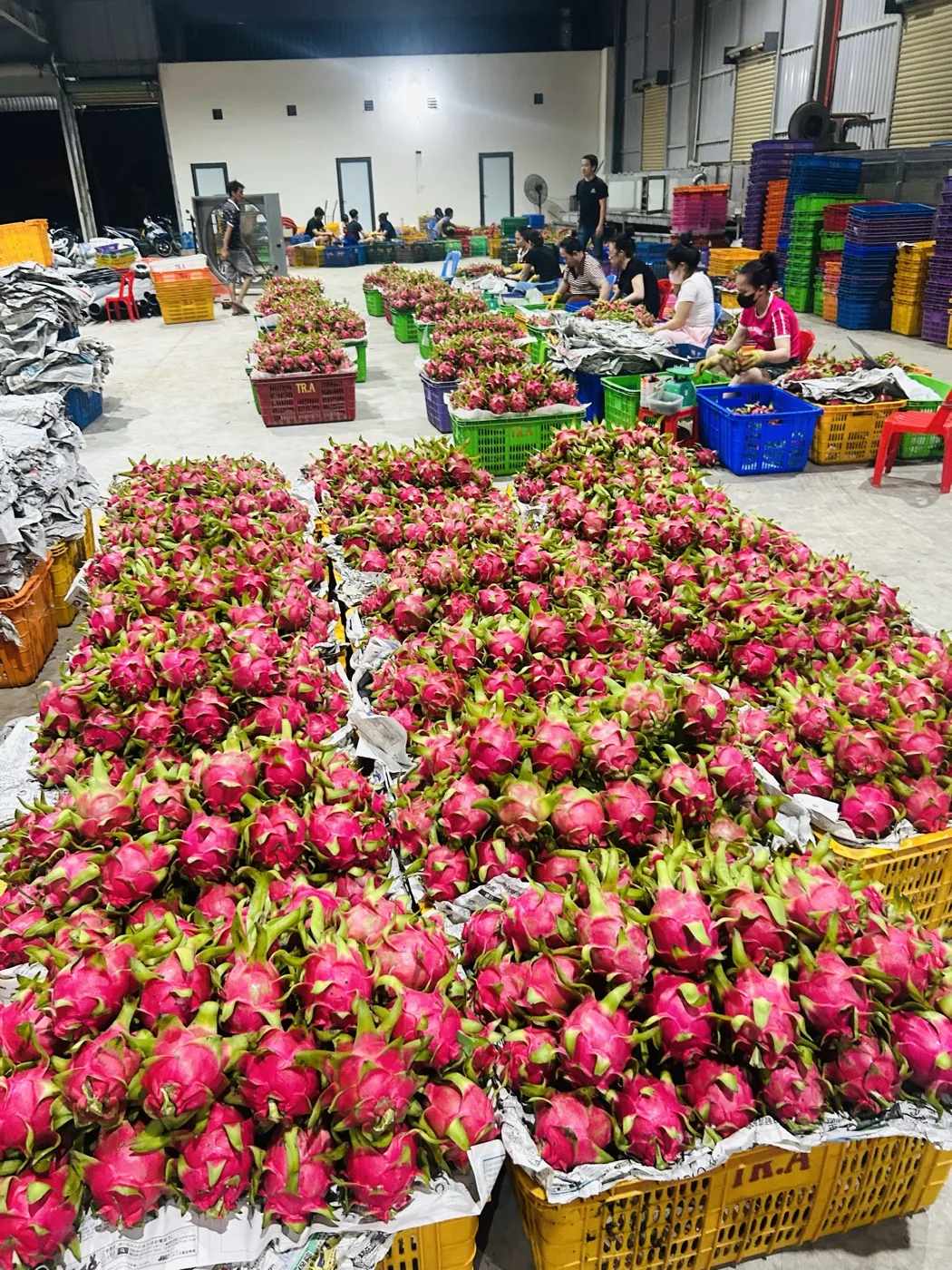
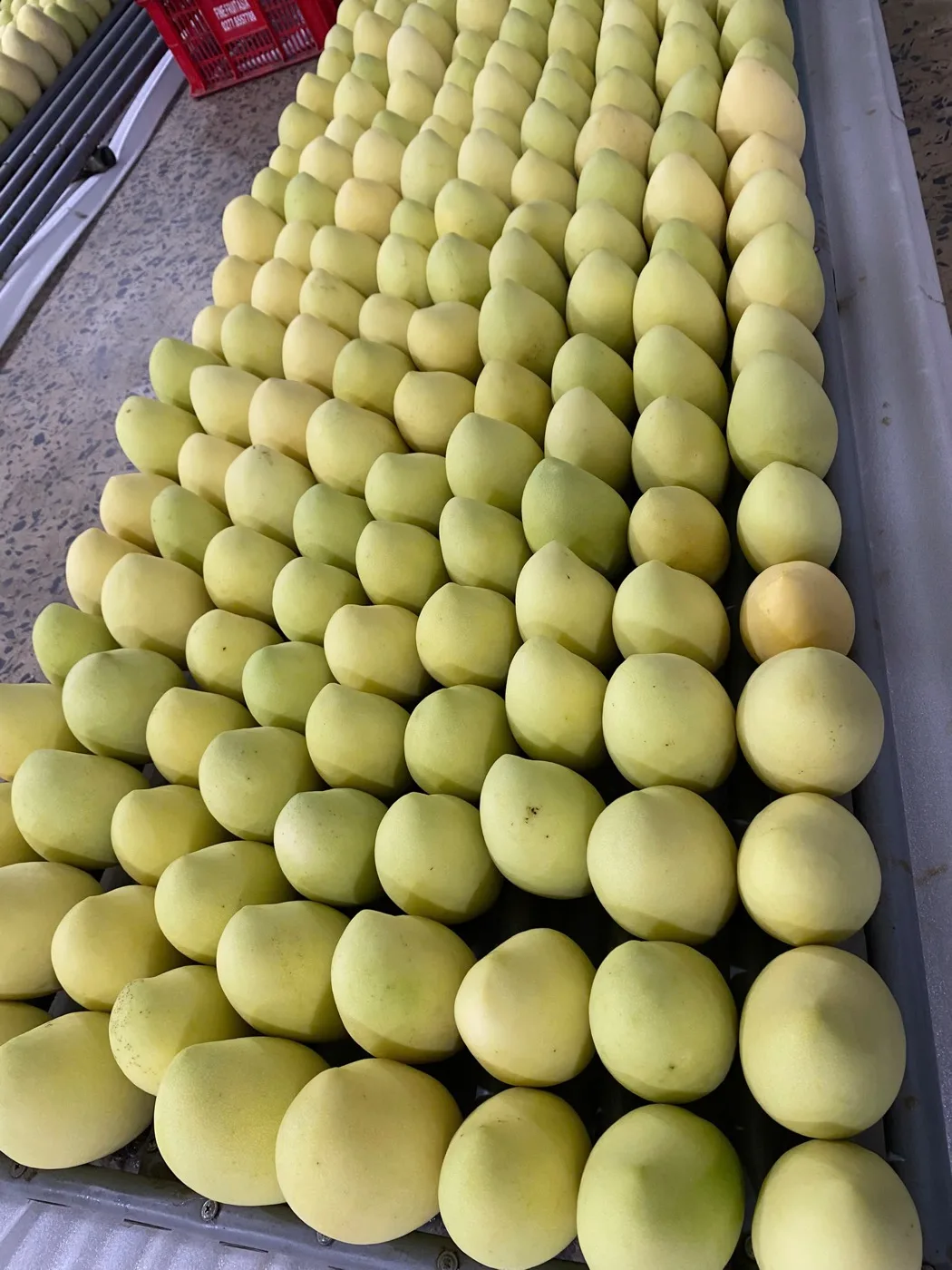
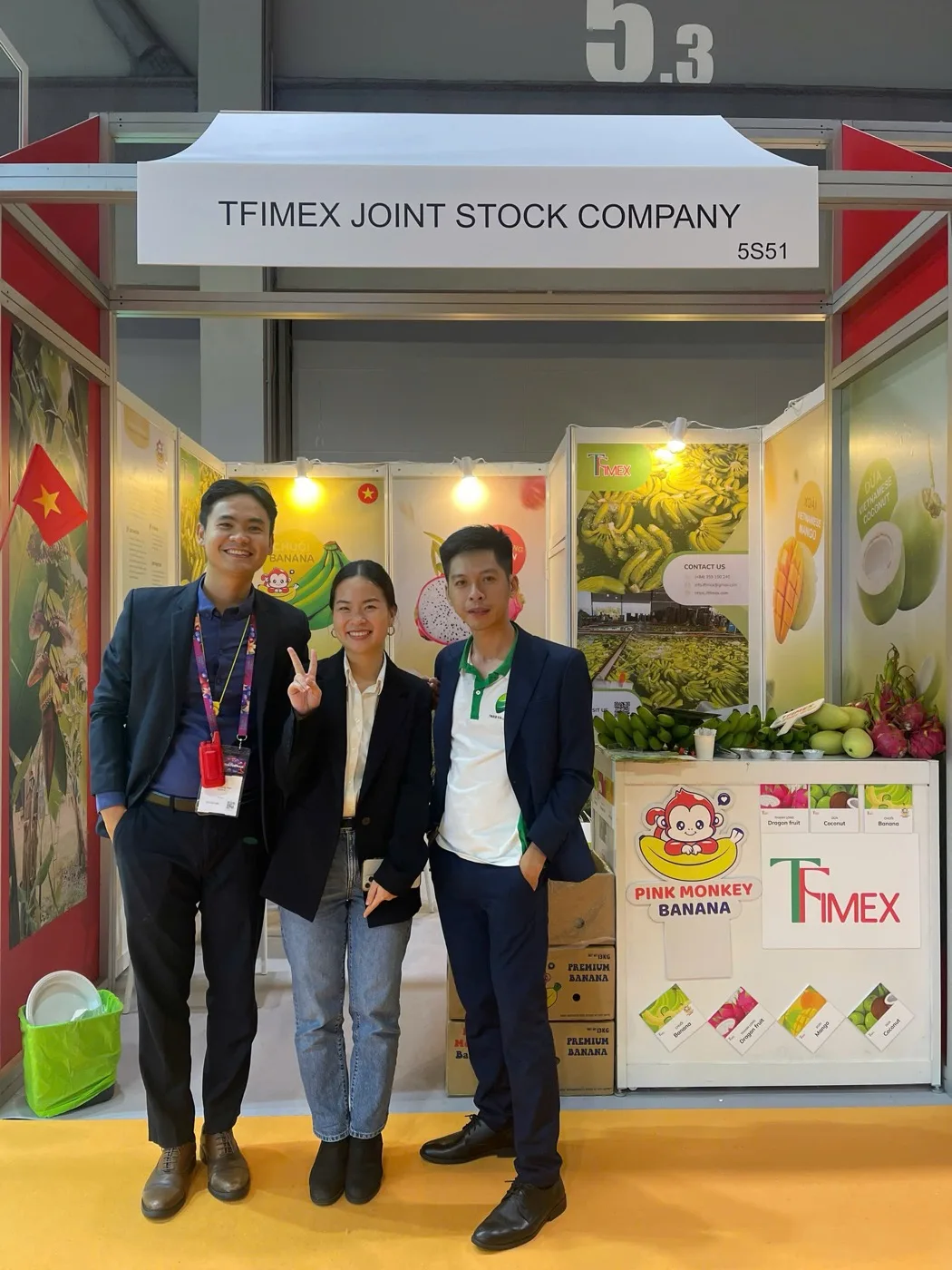
TFIMEX on the ground — sourcing regions, packhouse and trade shows
8 controlled stages from orchard to port — each stage leaves traceability data.
Partner orchards are granted growing area codes and cultivate according to VietGAP — spraying schedules, fruit bagging, and fertilization are tracked by lot.
Harvest according to the target ripeness for each variety; measure Brix and perform visual inspection right at the orchard before warehousing.
Washing, sanitizing, sizing by length, diameter, and weight; removing defective fruit before entering the line.
VHT or X-ray as required by the market (Korea, Japan, Australia, etc.); treated at a licensed facility, with temperature logs recorded.
Cool the fruit core down to shipping temperature before packing — the step that determines the shelf-life of fresh fruit.
Export cartons according to buyer specs, batch traceability labels, palletized and stretch-wrapped to container standards.
Individual setpoints for each fruit type — bananas 13.5°C, dragon fruit 5–8°C, IQF −18°C; data loggers record throughout the journey.
Phytosanitary certificate, certificate of origin, and market-specific document set; handover to shipping line/airline on schedule for cut-off.
Each type of fruit has its own "temperature window" — being off by a few degrees means losing shelf-life or ripening early in transit.
Reference temperature range for transport; actual setpoint is finalized based on variety, ripeness, and transit time.

Mangoes and bananas are bagged on the tree instead of being broadly sprayed — reducing plant protection chemicals, giving naturally beautiful fruit, and making it safer for growers.

Each shipment can be traced back to a specific orchard — the foundation for international quarantine compliance and buyer trust.

Small or off-size fruit is not discarded — it goes into the IQF freezing line, increasing crop value and reducing food waste.

Offtake contracts, transfer of cultivation techniques, and pre-season harvest scheduling — both supply and farmers' income are stabilized.
This site uses cookies to improve your experience.