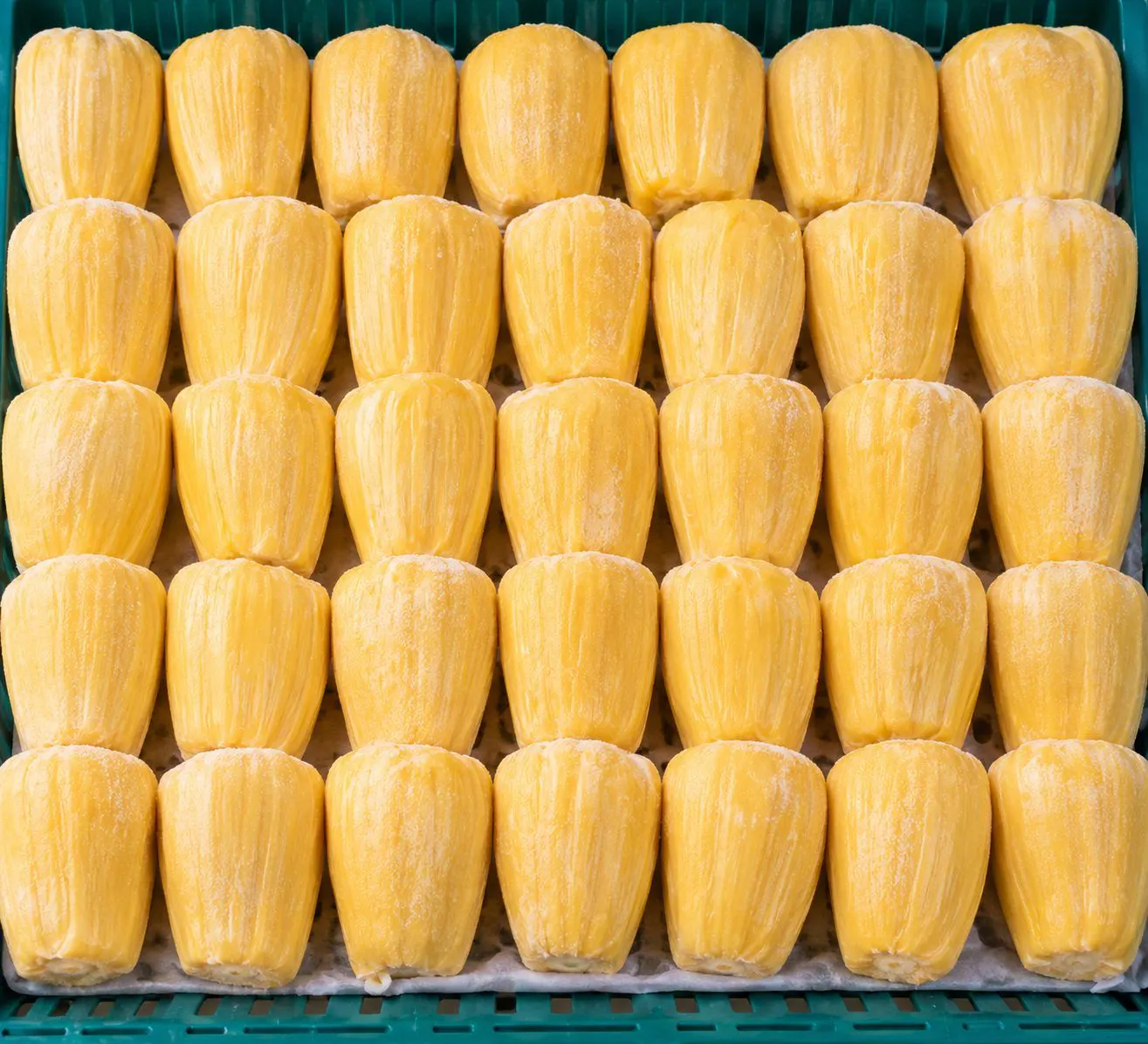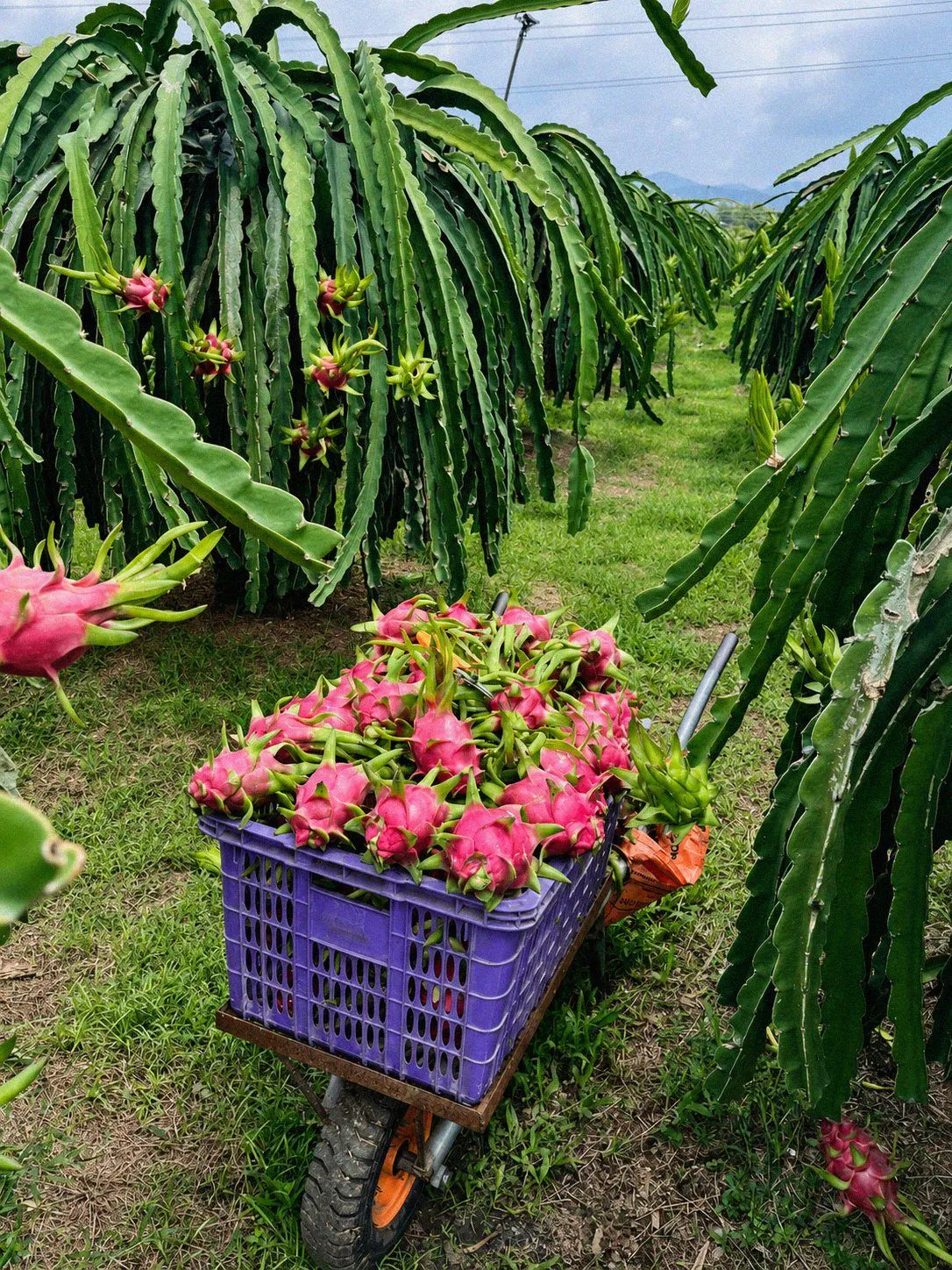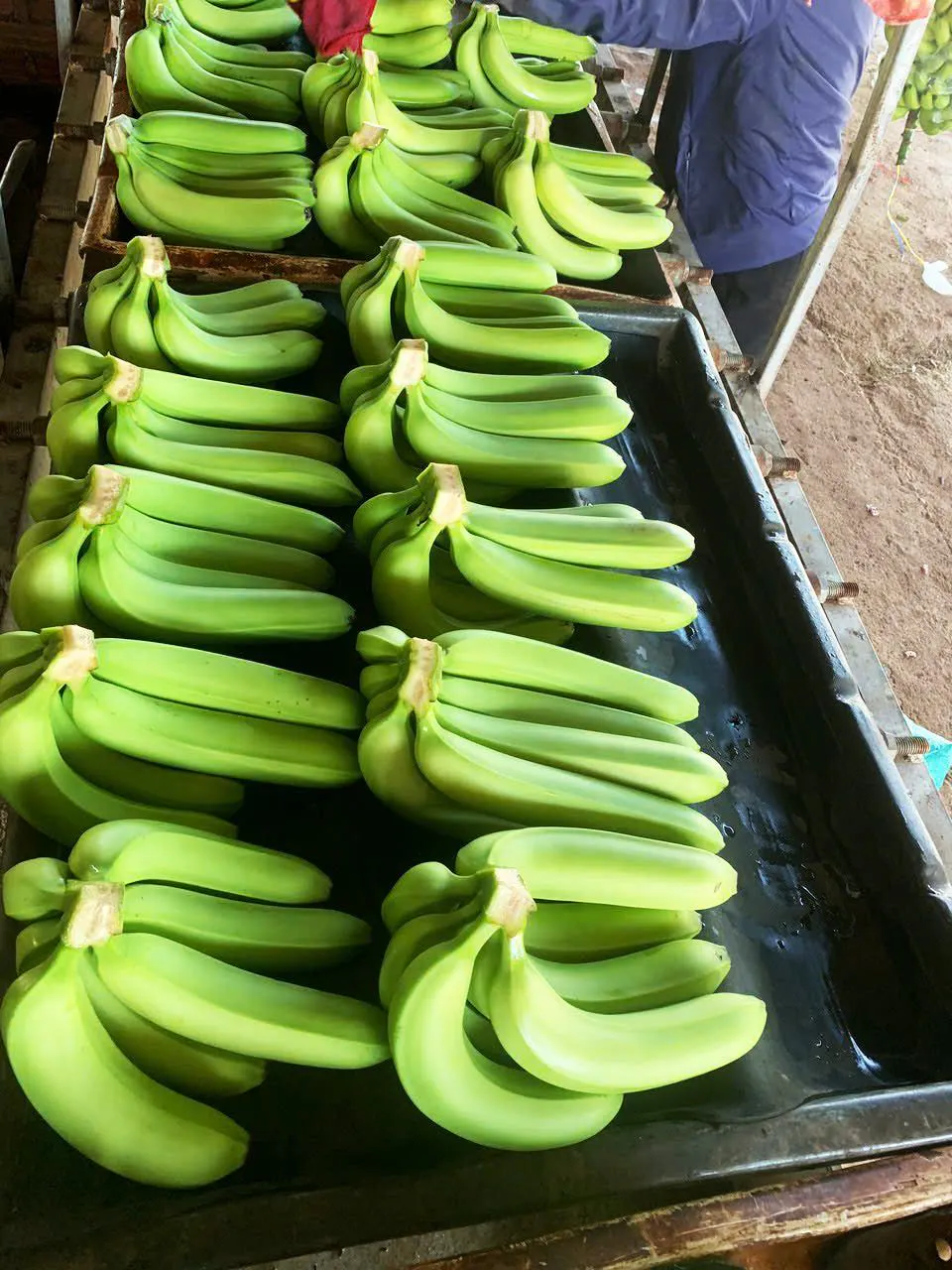

In fresh fruit trading, quality is determined by an entire control chain from orchard to destination port. A shipment that meets quarantine requirements but ripens early in transit, or has sufficient sweetness but lacks a growing region code, can be rejected. Below are 8 key stages that professional exporters in Vietnam must control, with explanations of their purpose, how to control them, and the risks of neglecting them.
1. Planting area with a code (planting area code)
Purpose: to confirm the farm is eligible for export to markets requiring strict phytosanitary measures. Control method: the farm registers with the phytosanitary authority, maintains cultivation logs, uses only pesticides on the approved list, and is issued a growing region code. If skipped: shipments cannot be exported to South Korea, Japan, Australia, or the US; the phytosanitary dossier is rejected from the outset.
2. Harvest at standard ripeness
Purpose: to ensure the fruit is mature enough to ripen at the right time when it reaches consumers, without becoming mushy or artificially ripened. How to control: each fruit type has its own harvest index — Brix level, fruit age, dry matter ratio. Dragon fruit typically reaches 14–16 Brix, Cat Hoa Loc mango reaches 16–18 Brix at harvest. If ignored: early harvest causes the fruit to lose flavor, late harvest makes it ripen too quickly and unable to withstand long journeys.
3. Preliminary processing within 2–6 hours after harvest
Purpose: remove dirt, latex, microorganisms, and pre-cool to extend shelf life. Control method: wash, sanitize with approved solutions, preliminary sorting right at the packing house near the growing area. If skipped: fruit loses water quickly, the risk of rot increases, and shelf life decreases significantly.
4. Phytosanitary treatment according to market requirements

Purpose: to eliminate fruit fly larvae and other quarantine pests. Control method: apply exactly the method required by the importing market — VHT (vapor heat treatment) is mandatory for dragon fruit and mango entering South Korea, Japan, and Australia; irradiation for the US market; or only phytosanitary inspection for certain markets. If skipped: the shipment will be quarantined, re-treated, or destroyed at the port of arrival.
5. Mechanical sorting and individual fruit inspection
Purpose: ensure consistent size, weight, and appearance per customer requirements. Control method: mechanical sorting system by size and weight, combined with manual inspection or cameras to remove defective fruit. Only fruit meeting spec enters the carton. If skipped: shipments are rejected due to wrong size, mixed defective fruit, affecting exporter reputation.
6. Packing according to customer specifications
Purpose: to protect the fruit during transportation and meet traceability requirements. Control method: comply with carton weight, stacking pattern, and packaging materials; apply traceability labels including growing area code, packing date, and packing house code. If ignored: the shipment fails to meet import requirements and cannot be traced in the event of an incident.
7. Pre-cooling before container loading
Purpose: to reduce the fruit's core temperature to the shipping temperature, cutting "field heat" so the fruit does not continue to ripen. How to control: use a forced-air cooling system or cold room, measure the fruit's core temperature before loading. If skipped: hot fruit loaded into a cold container will still ripen in transit, arriving overripe or damaged.
8. Load refrigerated containers with data loggers
Purpose: maintain stable temperature throughout the journey and provide temperature evidence when needed. Control method: set the setpoint by fruit type — dragon fruit 8–10°C, mango 10–12°C, coconut 3–6°C, banana 13.5–14.5°C; log continuously with a data logger; control door openings at the port. If skipped: temperature fluctuations cause fruit spoilage, and there is no data to cross-check in the event of a claim.
Conclusion: transparency at every stage is the measure of capability.
International buyers have the right to request that exporters provide evidence for each stage: growing region code, VHT treatment record, sorting report, traceability label, container temperature log. The more transparent a business is, the more professional it appears. At TFIMEX, we are ready to share the control records of each shipment so buyers can be assured of quality and compliance. Contact export@tfimex.vn for detailed information.