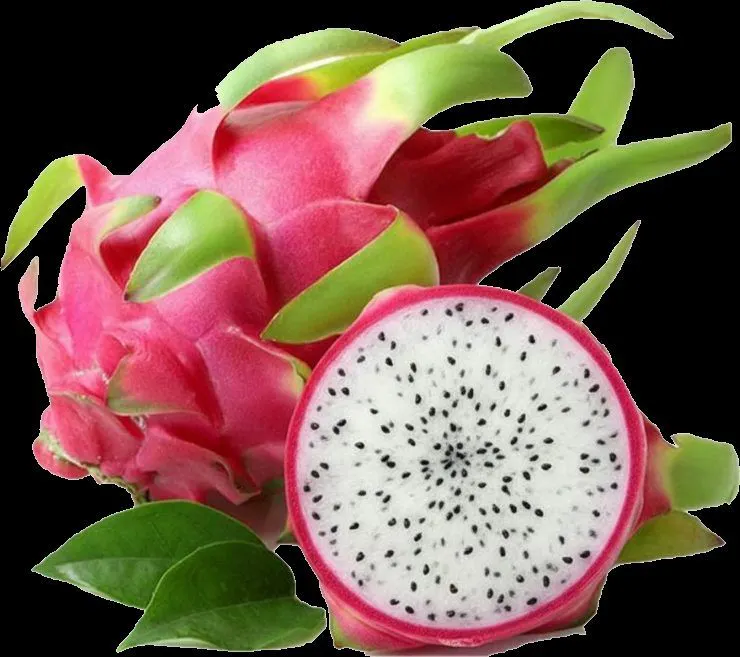
In fresh fruit trade, each importing market has its own phytosanitary requirements. For fruits at risk of carrying fruit flies, such as dragon fruit, mango, lychee, longan, and rambutan, the application of post-harvest treatment measures is a prerequisite for customs clearance. One of the most common and widely accepted methods is Vapor Heat Treatment (VHT).
Why is VHT mandatory?
Fruit flies are dangerous quarantine pests that can cause serious damage to the agriculture of importing countries. Countries such as Japan, South Korea, the United States, Australia, and New Zealand require fresh fruit to undergo heat treatment to kill fruit fly eggs and larvae before import. VHT uses hot steam at controlled temperature and humidity to raise the core temperature of the fruit to the insect-lethal threshold (typically 46–47°C for a specified duration). Compared with chemical treatment or irradiation, VHT is preferred because it leaves no residue, is safe for consumers, and has less environmental impact.
VHT Operating Procedure
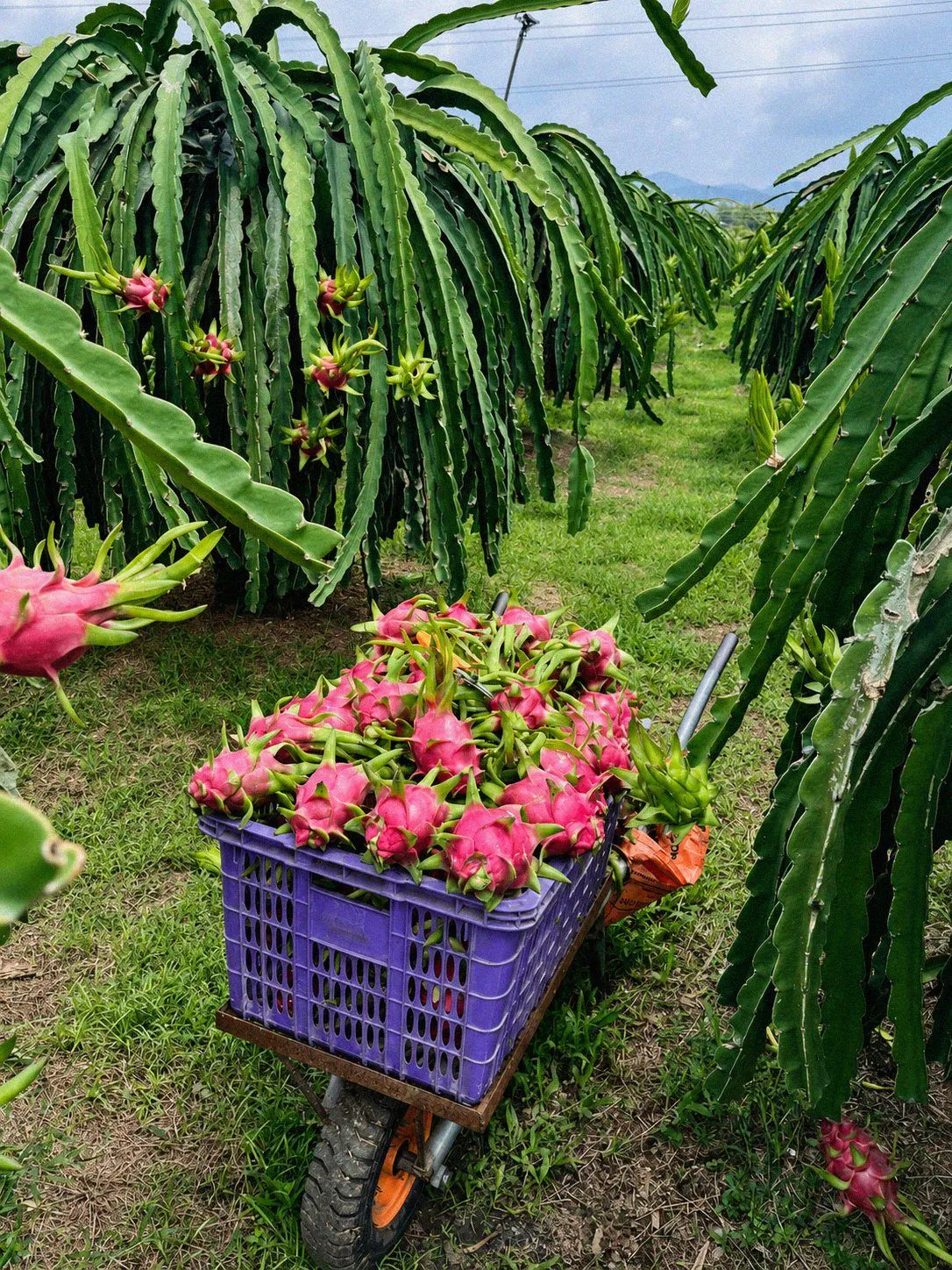
The standard VHT process consists of the following main steps: (1) Sorting and cleaning the fruit before treatment; (2) Placing the fruit into trays or plastic crates with ventilation holes to ensure even heat circulation; (3) Loading into the VHT chamber and gradually heating with saturated steam to avoid heat shock; (4) Maintaining the fruit's core temperature at the required threshold (e.g., 46.5°C) for a specified duration (usually 30–60 minutes depending on the fruit type and market); (5) Rapidly cooling with air or cool water to bring the core temperature down below 20°C; (6) Transferring to the packaging and cold storage stage. The entire process is automatically monitored and temperature-logged for traceability and inspection by the plant quarantine authority.
Affects quality and shelf life
VHT can cause some changes in the fruit: softer texture, reduced firmness, changes in peel color, and sometimes affects flavor if overheated or improperly processed. However, when operated to standard, the impact is minimal. For dragon fruit and mango, VHT typically causes a slight reduction in Brix (about 0.5–1%) and accelerates ripening after treatment. The shelf life of fruit after VHT may be shorter than that of untreated fruit, so it is necessary to combine strict cold chain management with appropriate shipping time. Shipments to Japan typically require maintaining a temperature of 5–10°C after VHT and consumption within 2–3 weeks.
Note for importers
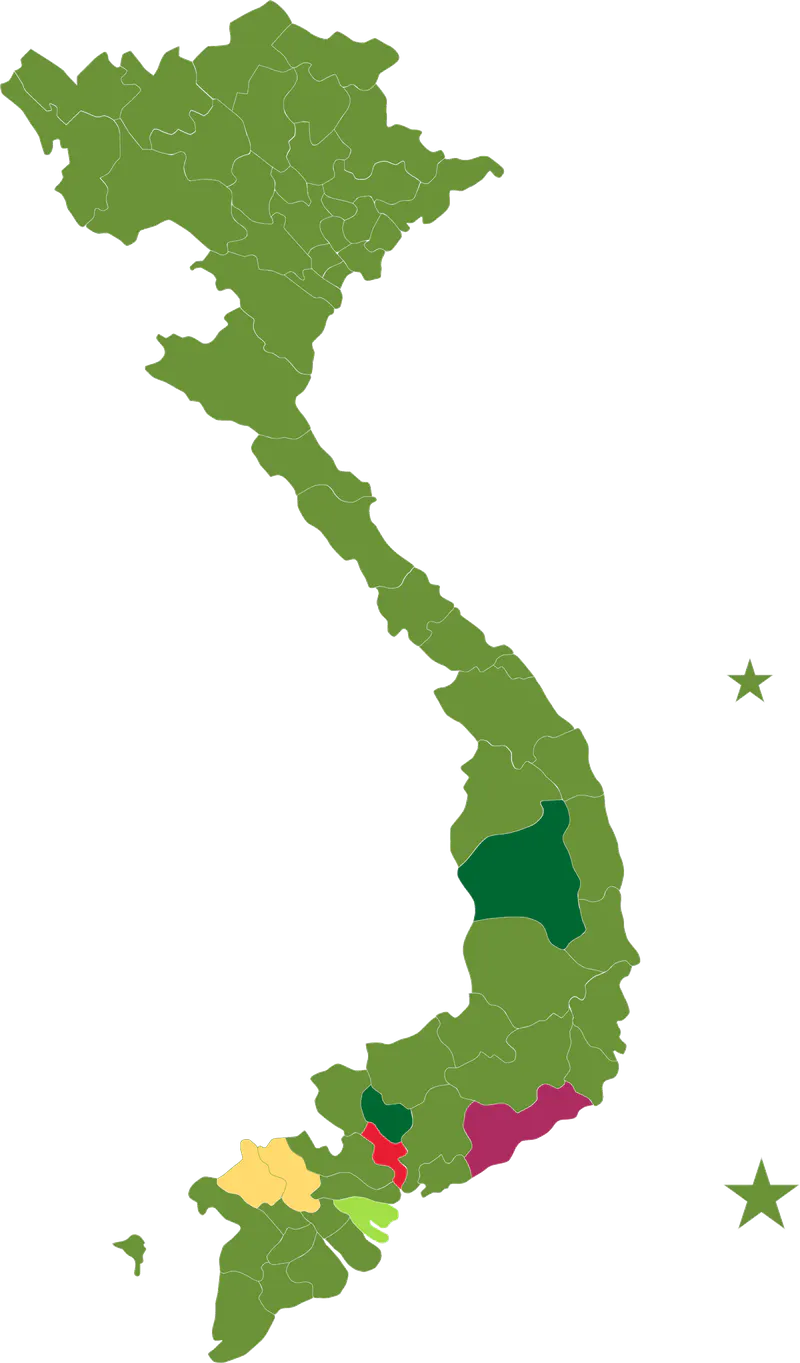
When ordering from Vietnam, importers need to clearly confirm their country's phytosanitary requirements, fruit type and variety, approved growing areas, and recognized VHT facilities. TFIMEX supplies fresh fruit that has undergone VHT according to each market's standards, with full traceability records and certifications. For specific advice on specifications, processing time, and shipping schedules, please contact export@tfimex.vn.