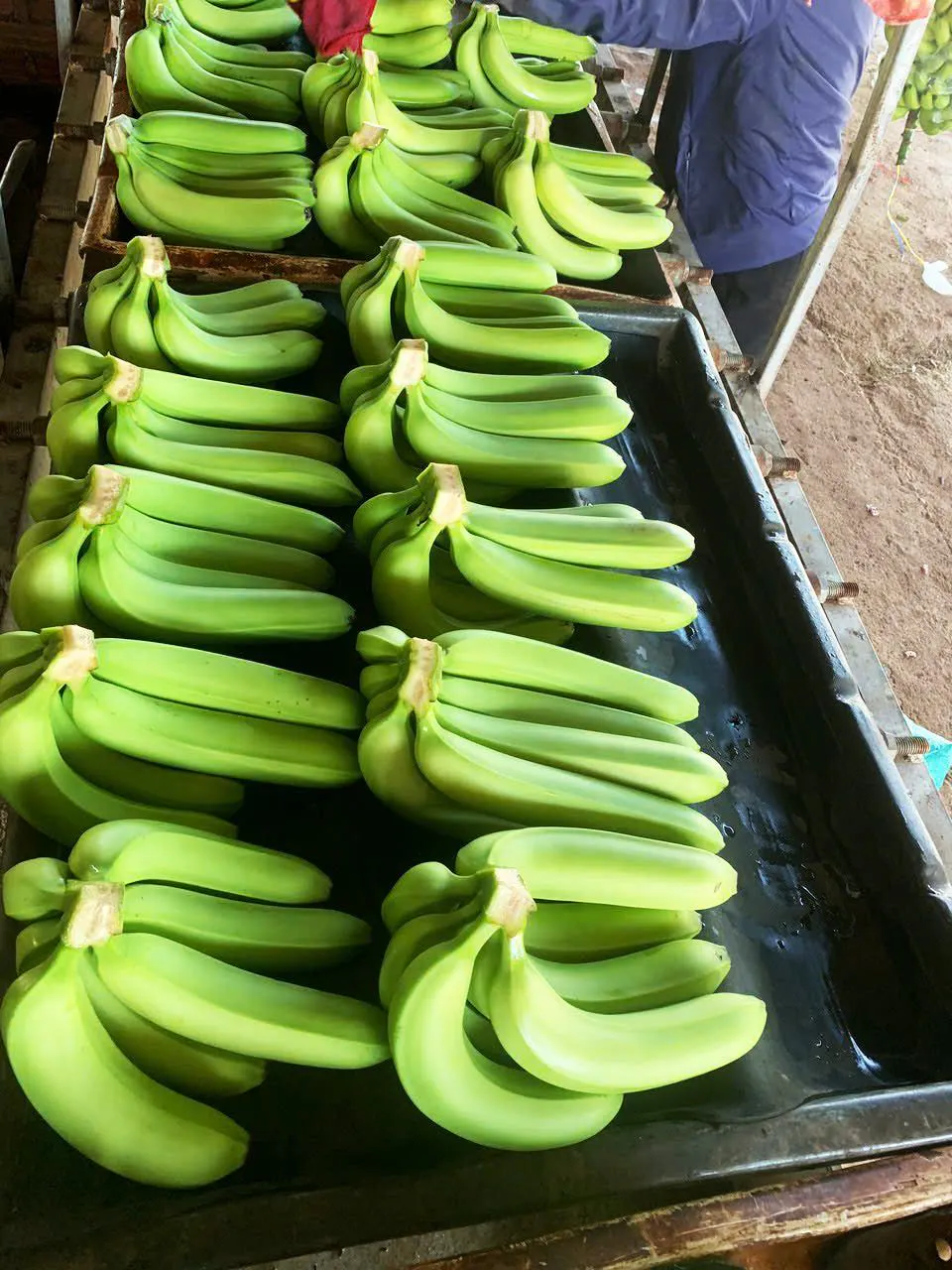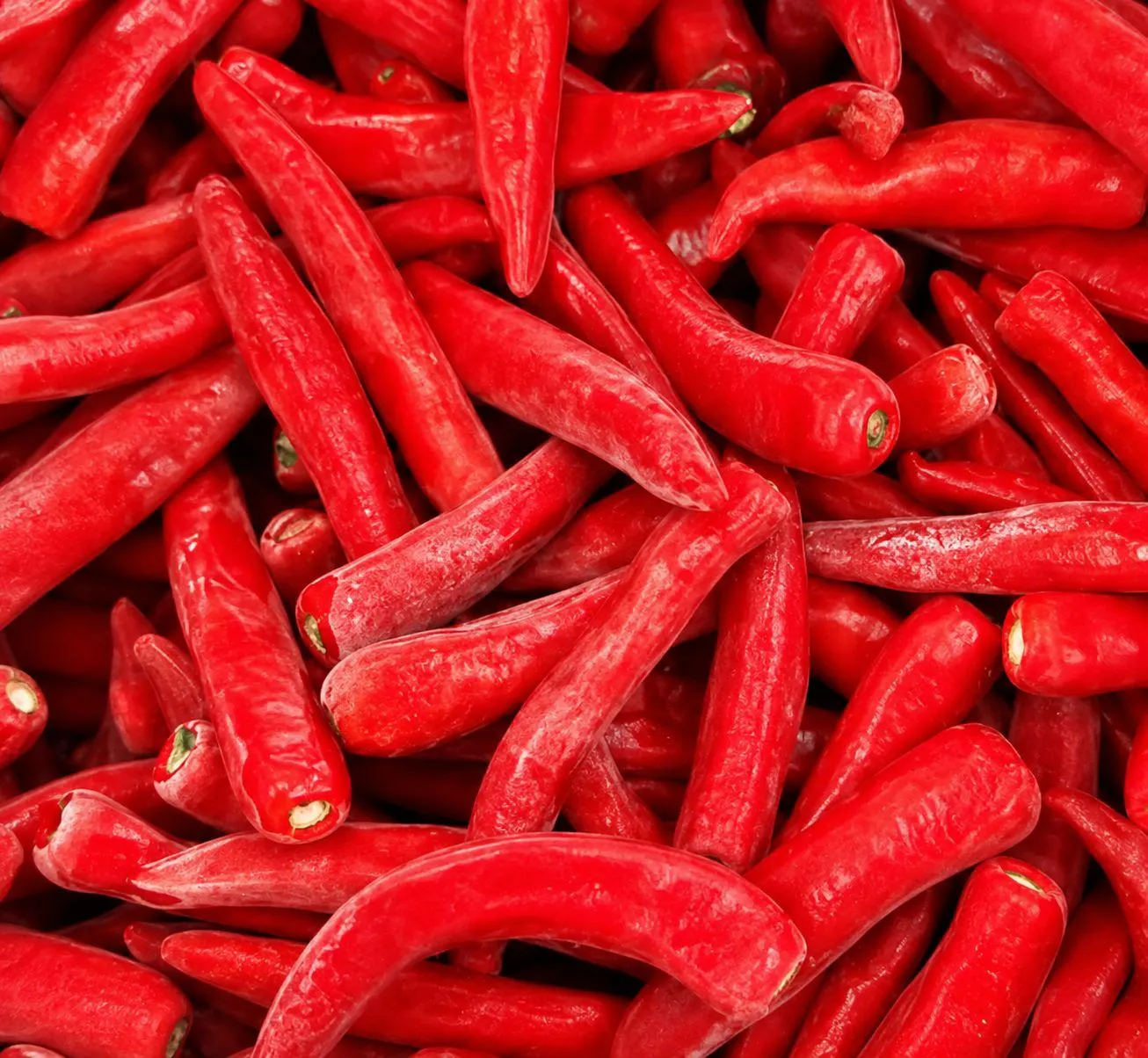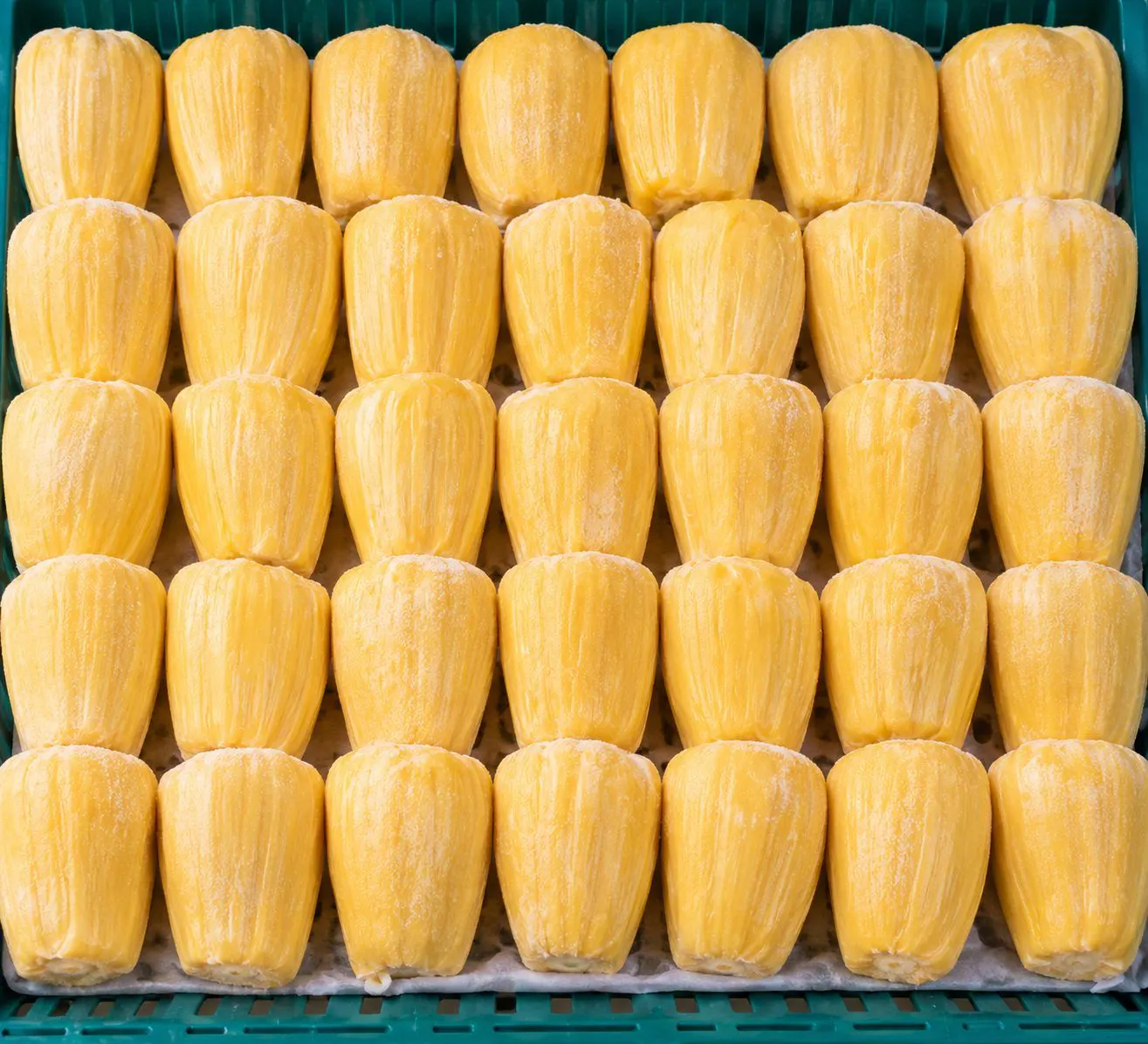

In the tropical fruit supply chain, the concept of "sustainability" is often tied to communication campaigns. But for B2B buyers, sustainability means something more concrete: stable supply across multiple seasons, fruit meeting pesticide residue standards (MRL), and non-degraded raw material zones. This is why farming practices — from logbook record-keeping to water-saving irrigation — become verifiable quality advantages, not slogans.
Cultivation diary & pesticide management: the foundation of certification and growing region codes
Every export shipment to demanding markets begins with a notebook at the farm household. The cultivation log records each spraying: date, active ingredient, dosage, reason for treatment. The list of active ingredients must be within the permitted list of the importing market and comply with the pre-harvest interval (PHI). This is a mandatory condition to achieve VietGAP/GlobalG.A.P and for the growing area to be granted a code — the "passport" for fruit to enter official channels. When buyers request traceability records, the cultivation log is the original evidence.
Efficient irrigation: less water, fewer diseases, more uniform fruit
Switching from flood irrigation to controlled drip or sprinkler irrigation significantly reduces water usage while limiting moisture on the leaves—conditions favorable for fungal diseases. For dragon fruit, mango, or durian, stable soil moisture helps fruit develop more evenly, reducing fruit cracking and physiological disorders. Operationally, water-saving irrigation also lowers pumping and labor costs, factors that directly affect production costs and the ability to maintain output across seasons.
Balanced nutrition + organic: preserve soil for the next crop
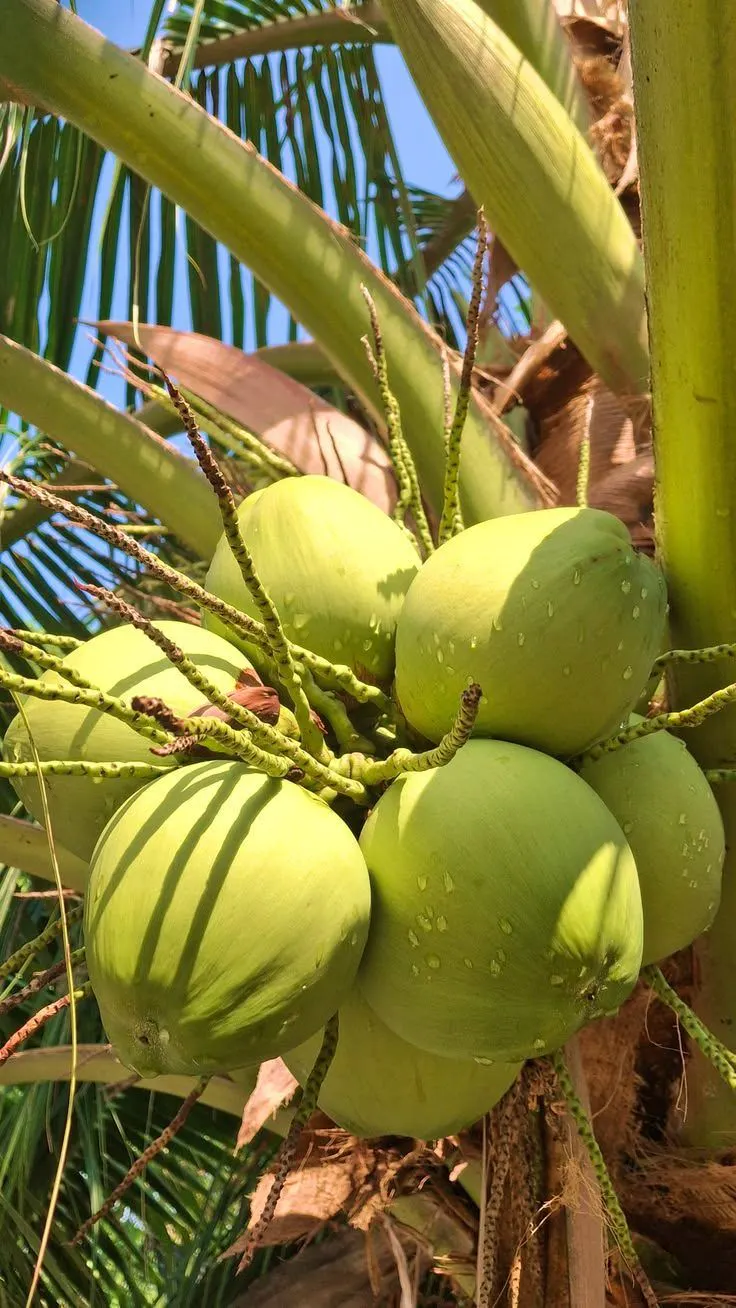
Applying balanced microbial organic fertilizer combined with minerals helps maintain soil fertility and reduces salt accumulation caused by excessive use of chemical fertilizers. In terms of fruit quality, balanced crop nutrition results in firmer rind, stable Brix, and better tolerance for long-distance transport — a key factor for containers to South Korea and Japan. This is a long-term investment: healthy soil for the next season, rather than depleting it and then facing costly restoration.
Integrated Pest Management (IPM): reduced residue, easier MRL compliance
IPM prioritizes biological and cultural measures before using chemicals: insect traps, protecting natural enemies, mulching the base, and pruning for good airflow. Spray only when pest density exceeds the economic threshold. This approach reduces the number of sprays, thereby lowering residue levels. For buyers, the direct benefit is a higher probability of passing MRL checks — the maximum allowable pesticide residue limit on produce — reducing the risk of shipments being held at the border.
Fruit bagging & covering: labor cost in exchange for fewer chemicals
Bagging individual fruits on the tree (common with dragon fruit and mango) is a physical measure that prevents fruit flies and harmful insects, thereby reducing the number of pesticide sprays. Labor costs are higher, but in return the fruit is cleaner, the skin is more attractive, and residue levels are lower. For markets with strict residue testing requirements, this is often a worthwhile investment.
Traceability as a sustainability tool
A growing-area code combined with a packing-lot code enables traceback of each shipment to a specific farm household. When an incident occurs — residue, pests or disease, or a quality complaint — the company recalls only the affected lot instead of the entire region. This protects farm households, reduces losses for the chain, and maintains buyer trust. Traceability is not just a legal requirement; it is a risk management tool that helps the chain operate more sustainably.
Implications for buyers
Buying from a sustainable farming chain means buying supply stability over many years, rather than short-term shipments dependent on weather conditions and compliance levels. Buyers can request that exporters present farming logs, growing region codes, and traceability records as evidence of sustainability commitment. At TFIMEX, these requirements are applied to raw material regions in Tien Giang, Long An, and Binh Thuan right from the farmer selection stage, to ensure shipments meet the standards of import markets. Contact export@tfimex.vn to discuss records and specific standards.