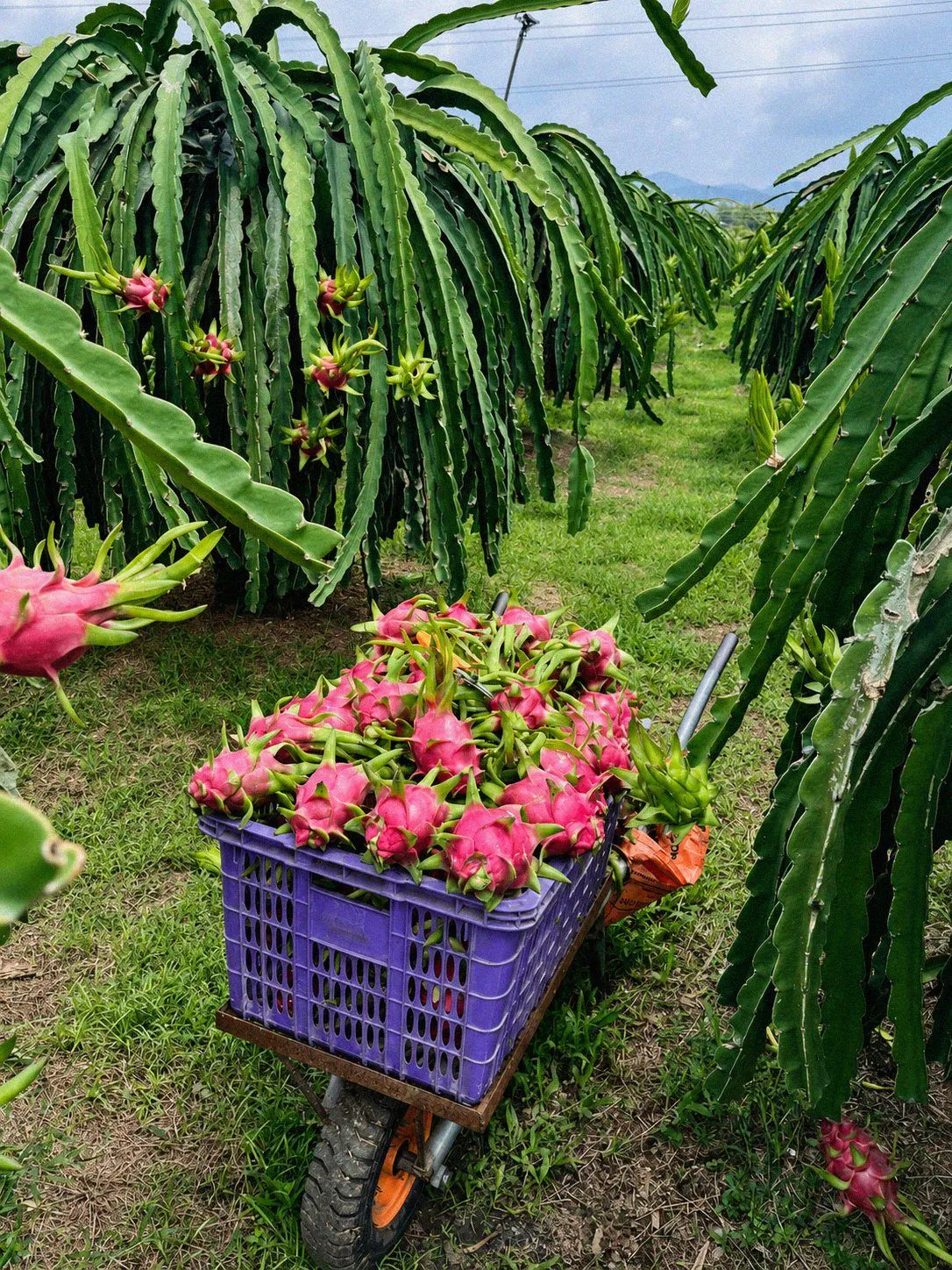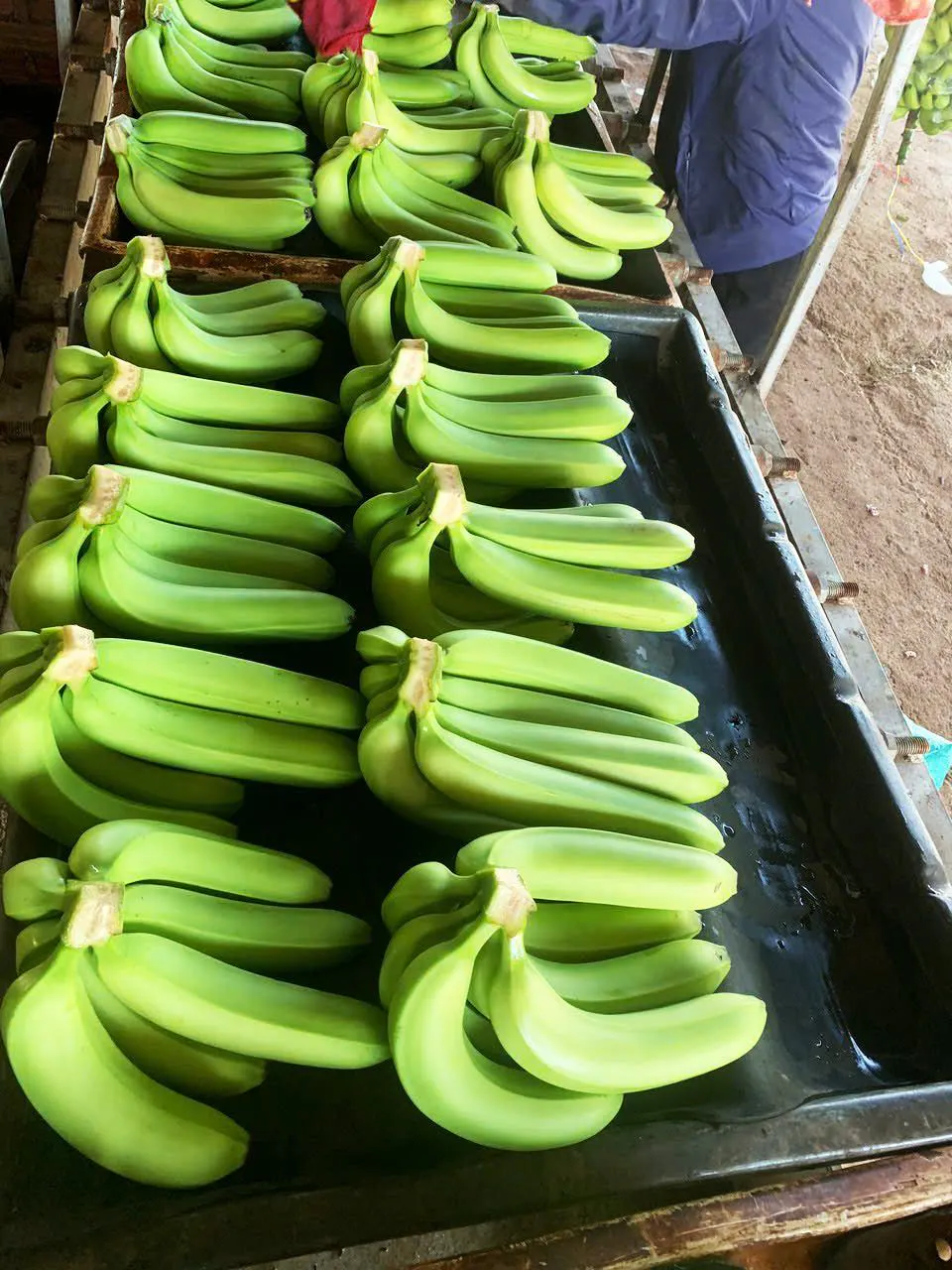
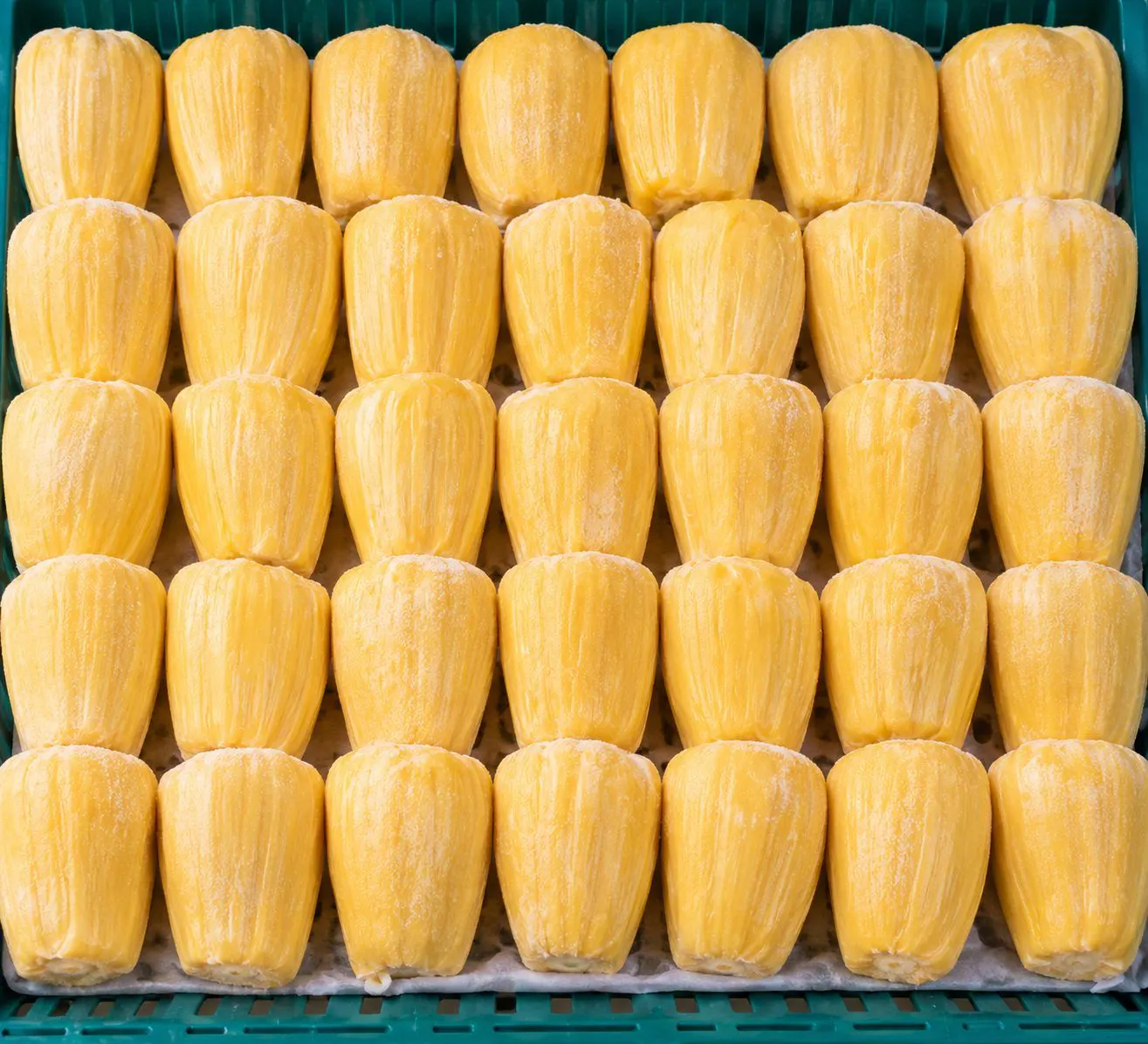
In frozen fruit trading, two terms are often used interchangeably but are in fact significantly different: IQF (Individually Quick Frozen) and regular frozen (usually block frozen or slow frozen). The difference lies in the cooling speed, the size of ice crystals formed within the cells, and the consequences for product quality after thawing.
Ice crystal structure: the deciding factor
When food is frozen, the water inside the cells turns into ice. The freezing rate determines crystal size. Conventional freezing typically freezes slowly (several hours to several days), forming large ice crystals (50-100 micrometers) in the intercellular spaces, which rupture cell membranes. IQF freezes extremely quickly (within minutes, usually below -35°C with airflow or liquid nitrogen), creating countless small crystals (10-20 micrometers) distributed evenly within the cells, causing minimal structural damage.
Quality after thawing
With conventional freezing, large ice crystals rupture cell walls; upon thawing, water escapes and causes loss of cell fluid, resulting in mushy texture, color loss, reduced flavor, and drip loss that can reach 10-15%. With IQF, small ice crystals preserve the original structure, drip loss is typically under 5%, and natural color and firmness are better retained. For fruits such as mango, durian, and dragon fruit, IQF helps maintain the shape of cut pieces, prevents clumping, and makes them easy to scoop and portion.
When should importers choose IQF?
IQF is suitable when the product needs to retain its shape and structure: cut fruit pieces, nuts, small pieces used in smoothie bowls, yogurt, or retail. IQF is also the choice for ingredients that need to thaw quickly, without clumping, or when the processing workflow requires even distribution. In addition, IQF allows for more precise portion control, reducing waste from having to thaw an entire block.
When is frozen usually still reasonable?
Standard block frozen has lower costs, suitable for ingredients that will be pureed, juiced, or cooked immediately, where cell structure is no longer important. For example: mango puree, durian juice, or fruit used in processing industries. However, importers should note that block frozen is often difficult to separate, causing inconvenience in use and potentially increasing losses due to the need to thaw the entire block.
Choice from TFIMEX
TFIMEX supplies both IQF and regular frozen forms for Vietnamese fruit products such as mango, durian, dragon fruit, and passion fruit. We advise based on the customer's intended use, ensuring clear specifications: size, Brix, defect rate, and safety standards. With export experience to South Korea, Japan, and demanding markets, TFIMEX supports importers in selecting the right product type to optimize cost and quality.
To discuss specific requirements, please contact export@tfimex.vn.