In fresh fruit transactions between growers and importers, Brix is one of the technical specifications explicitly stated in the contract, alongside size, color, firmness, and defect rate. For B2B buyers in Korea and Japan, Brix is not merely a sensory sweetness figure but also a basis for assessing shipment quality, calculating price, and determining storage protocols.
What is Brix?
Brix (symbol °Bx) is a unit that expresses the content of soluble solids in a solution, primarily sucrose, fructose, and glucose. One degree Brix corresponds to 1 gram of soluble solids in 100 grams of solution under standard conditions. In fruit, Brix is commonly used as a proxy for sweetness: the higher the Brix, the sweeter the fruit juice and the higher the physiological ripeness, typically.
A distinction must be made between Brix and perceived sweetness. The sweetness when eaten also depends on the sugar/acid ratio, tannin content, astringency, and aroma. Therefore, some varieties have high Brix but are still rated as 'bland' if the acid is low, or vice versa. However, in commercial terms, Brix remains an objective, easy-to-measure indicator that is easy to include in specs.
Principle of measurement using a refractometer
A refractometer works based on the phenomenon of light refraction: when light travels from one medium to another, the light ray is bent. The higher the sugar concentration in fruit juice, the greater the refractive index, and the more the refraction angle changes. A refractometer calibrates the relationship between refractive index and sugar concentration, thereby displaying the result directly on the Brix scale.
There are two common types: handheld optical (analog) refractometers and digital refractometers. With a handheld refractometer, the operator places a few drops of fruit juice on the prism, closes the cover, points it toward a light source, and reads the division line between the light and dark zones. A digital refractometer displays results on a screen, with less dependence on lighting and reader error, and is commonly used in testing laboratories or at processing plants.
Sampling and Brix measurement procedure
To ensure results are representative of the entire lot, samples should be taken randomly by lot, by position on the tree or in the bin. For dragon fruit, mango, banana, and coconut, each sample should include multiple fruits at different ripeness levels. The fruit juice is pressed from representative flesh, filtered to remove fibers and seeds before being placed on the prism. Sample temperature affects the results, so many labs calibrate to 20°C.
The refractometer must be calibrated with distilled water (0 °Bx) before each measurement session. For high-viscosity samples such as coconut, dilution at a specified ratio with a multiplication factor may be applied, but the method must be clearly stated in the inspection report to avoid disputes with the buyer.
Reference Brix thresholds for some types of fruit
The thresholds below are for reference only, as Brix fluctuates by variety, growing region, season, and harvest ripeness. Importers often negotiate a minimum threshold (min Brix) and sometimes a maximum threshold to avoid overripe fruit that is difficult to transport.
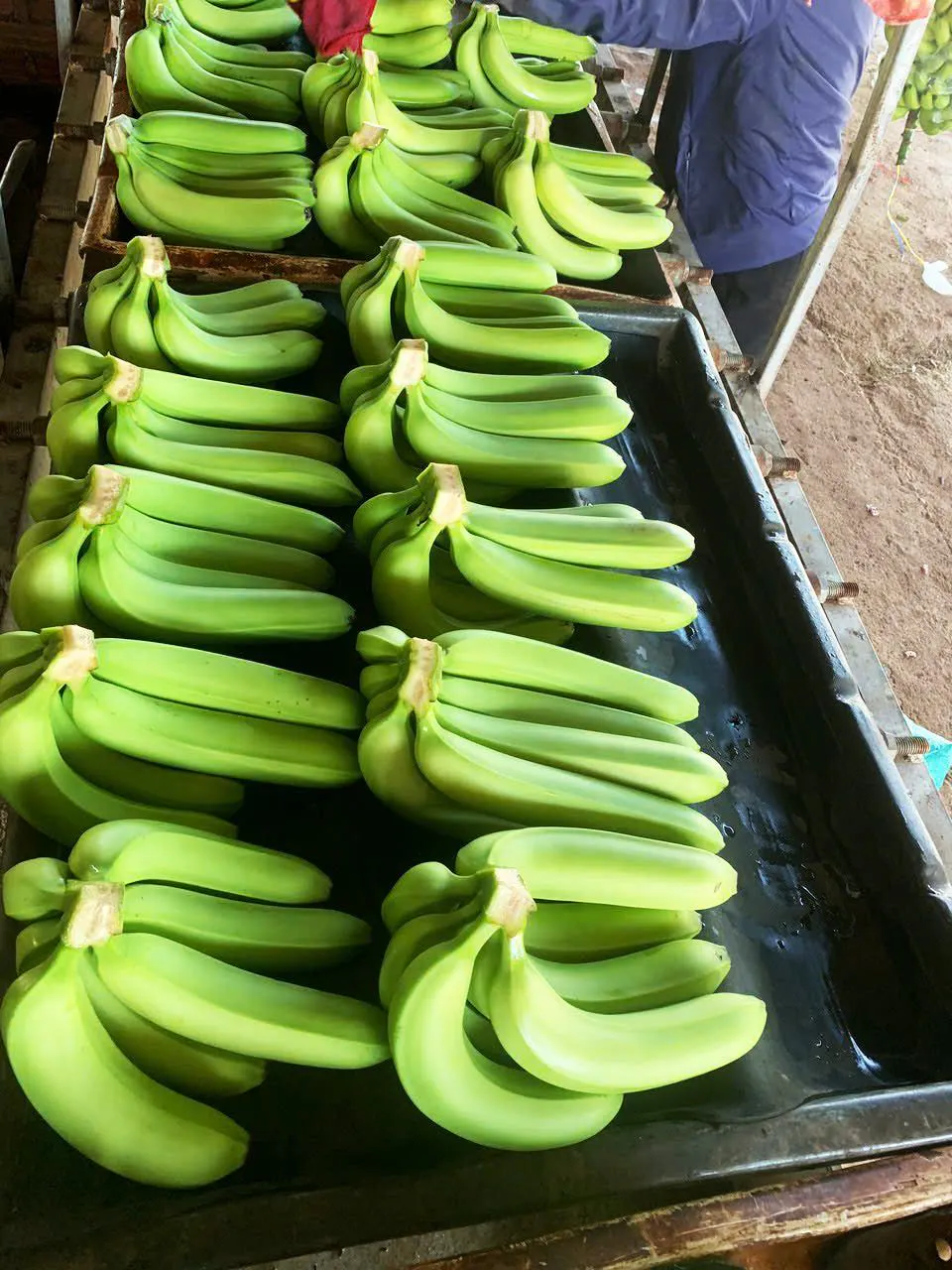
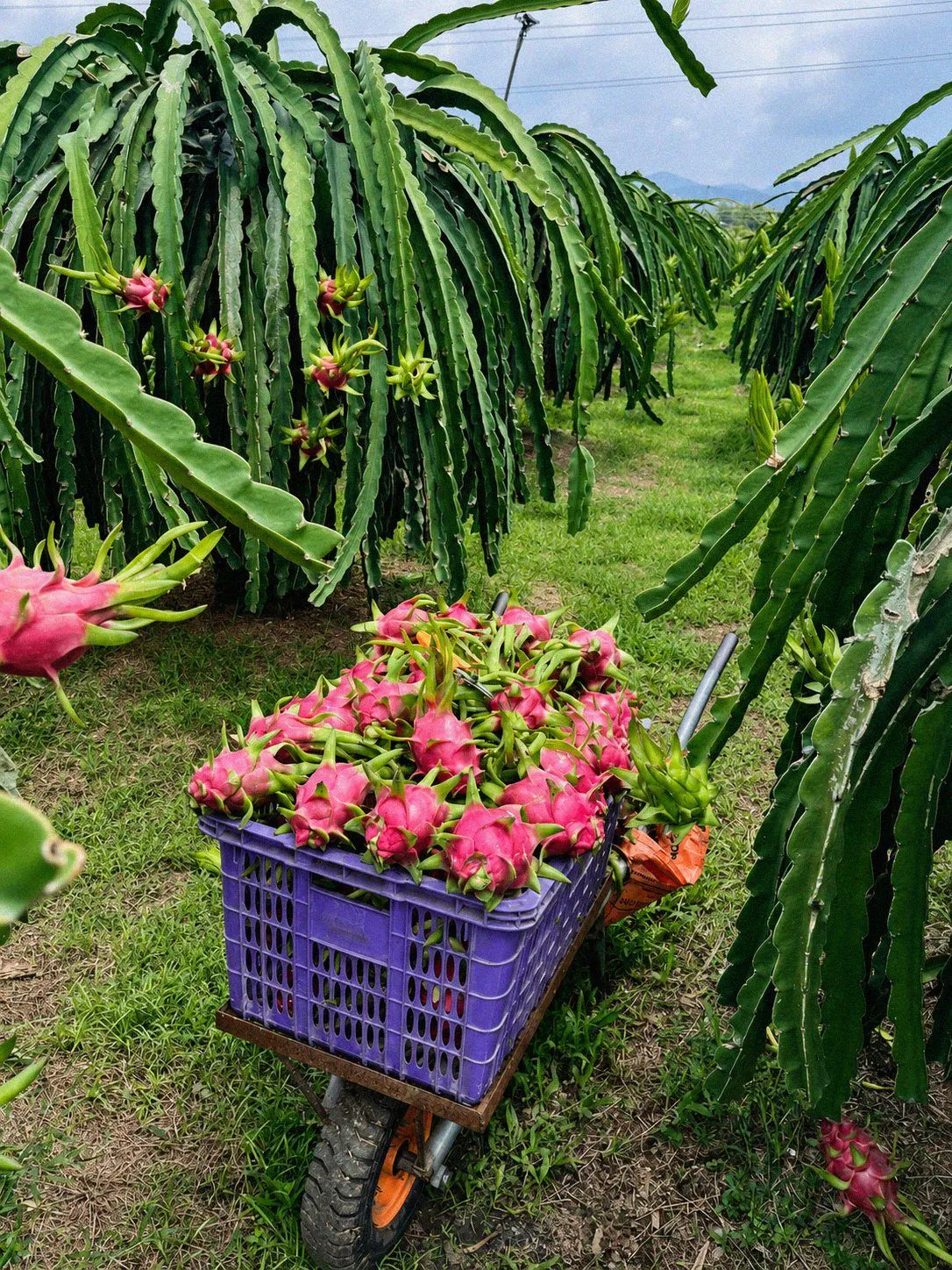
Red-fleshed dragon fruit: commonly 12–16 °Bx; white-fleshed dragon fruit is usually 10–14 °Bx. Ripe Hoa Loc sand mango: 16–20 °Bx, with some lots exceeding 20 °Bx if tree-ripened. Ripe banana: 18–22 °Bx, depending on variety and ripeness level. Siamese coconut: coconut water is usually 5–7 °Bx, while young coconut meat may be higher. These figures need to be reconfirmed according to the specific standards of each market and each contract.
Why do buyers include Brix in the spec?
First, Brix is a quantitative parameter that is easy to check at the destination port or factory, helping buyers verify against the contract. Second, Brix correlates with ripeness and shelf life: fruit with too low Brix is often not ripe enough, prone to shriveling and moisture loss; fruit with too high Brix tends to soften quickly, increasing the risk of damage in the container. Third, Brix affects the end consumer experience, which in turn impacts retailer reorder rates.
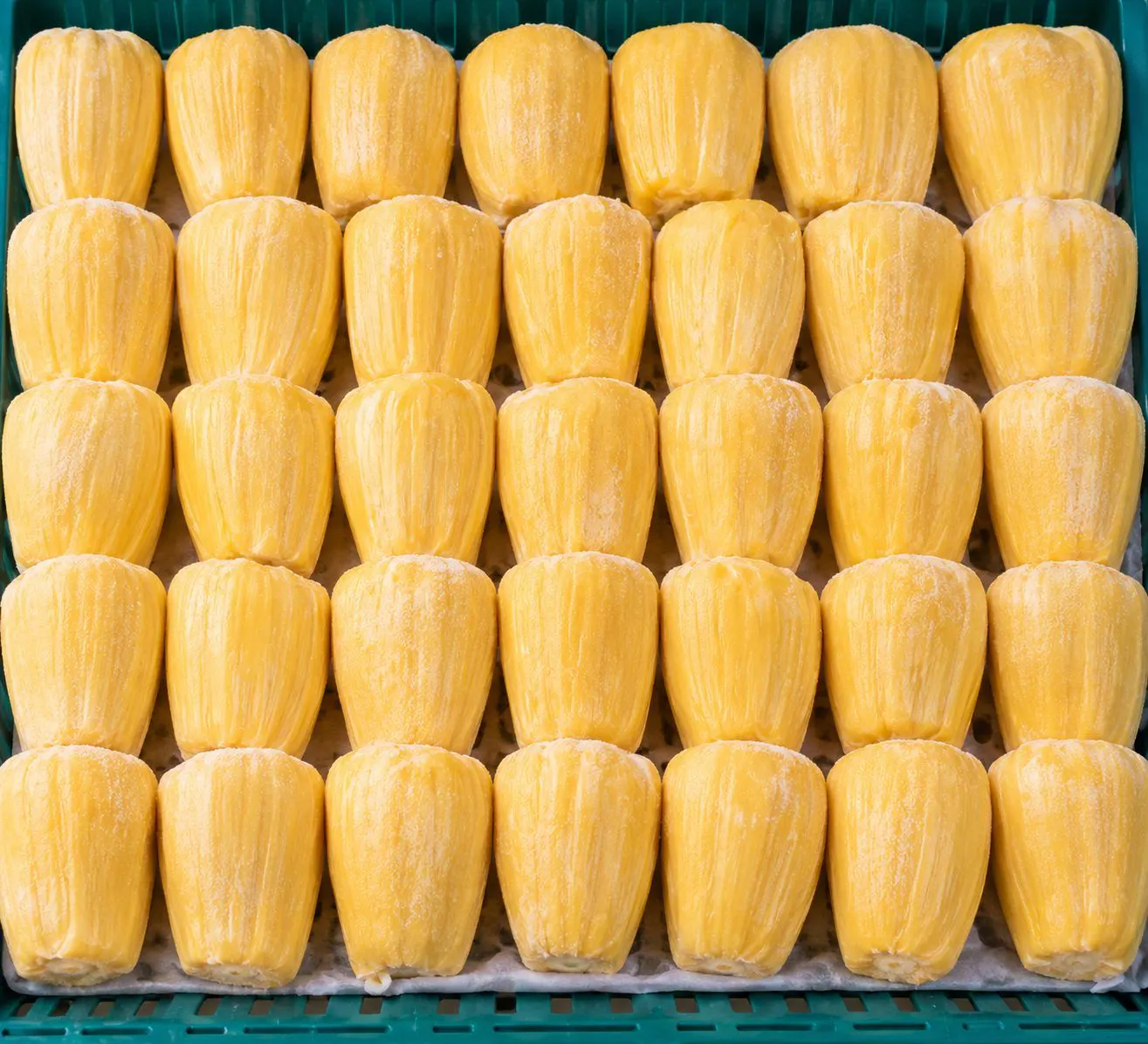
Additionally, Brix is also related to processing yield. For frozen, IQF, or dried fruit, the input sugar content affects the flavor of the finished product and the amount of raw material required. Therefore, processing plants often require a higher minimum Brix than the fresh fruit channel.
Conclusion
Brix is not the only indicator that determines quality, but it is an important control tool in the tropical fruit supply chain. Standardizing sampling methods, equipment calibration, and Brix thresholds right from the negotiation stage helps reduce disputes and stabilize shipment quality. TFIMEX provides actual Brix parameters for each batch of dragon fruit, mango, banana, coconut, and processed products; contact export@tfimex.vn to receive technical specification sheets and test samples.