South Korea is among the tropical fruit import markets with steady growth in East Asia. For South Korean importers and retail chains, supplier selection criteria go beyond price to include phytosanitary compliance capability, cold chain stability, and the ability to meet packaging standards. These are the factors that determine whether a shipment of Vietnamese dragon fruit, mango, or banana clears customs and continues to sustain repeat orders.
Phytosanitary requirements
South Korea applies a strict phytosanitary system for imported fresh fruit. Regulated fruits must have a phytosanitary certificate issued by Vietnam's plant protection agency, along with mandatory treatment measures before export. For dragon fruit and mango, vapor heat treatment (VHT) is a common method to control fruit flies. The treatment must be carried out at a recognized facility, with full records of fruit core temperature and treatment duration.
In addition to VHT, exporters need to control pesticide residues according to Korea's MRL thresholds. Shipments may be sampled for inspection at the port of arrival; if a violation is detected, the shipment may be returned or destroyed, and it will also affect the supplier's reputation in the distribution system. Therefore, growing areas and packing facilities need to be managed under VietGAP or GlobalG.A.P, with clear cultivation logs and traceability.
Korean consumer tastes for dragon fruit, mango, and banana
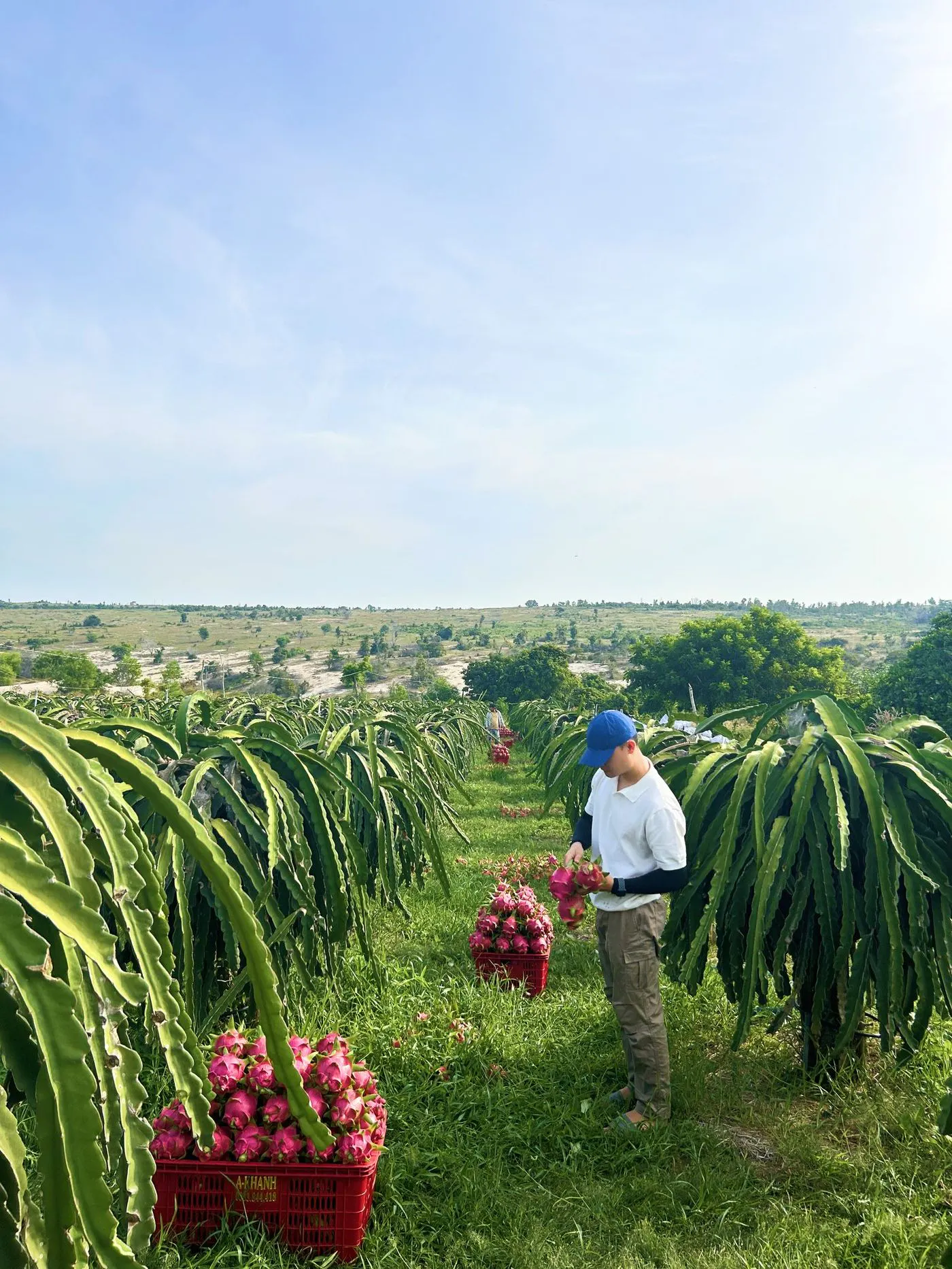
Korean consumers prioritize fruit with good appearance, uniform size, and consistent sweetness. For dragon fruit, the fruit needs fresh skin, green fins, and no bruising; Brix is typically expected to be at a stable level to ensure a fresh-eating experience. Red-fleshed dragon fruit has the advantage of attractive color, suitable for premium retail channels and gift-giving.
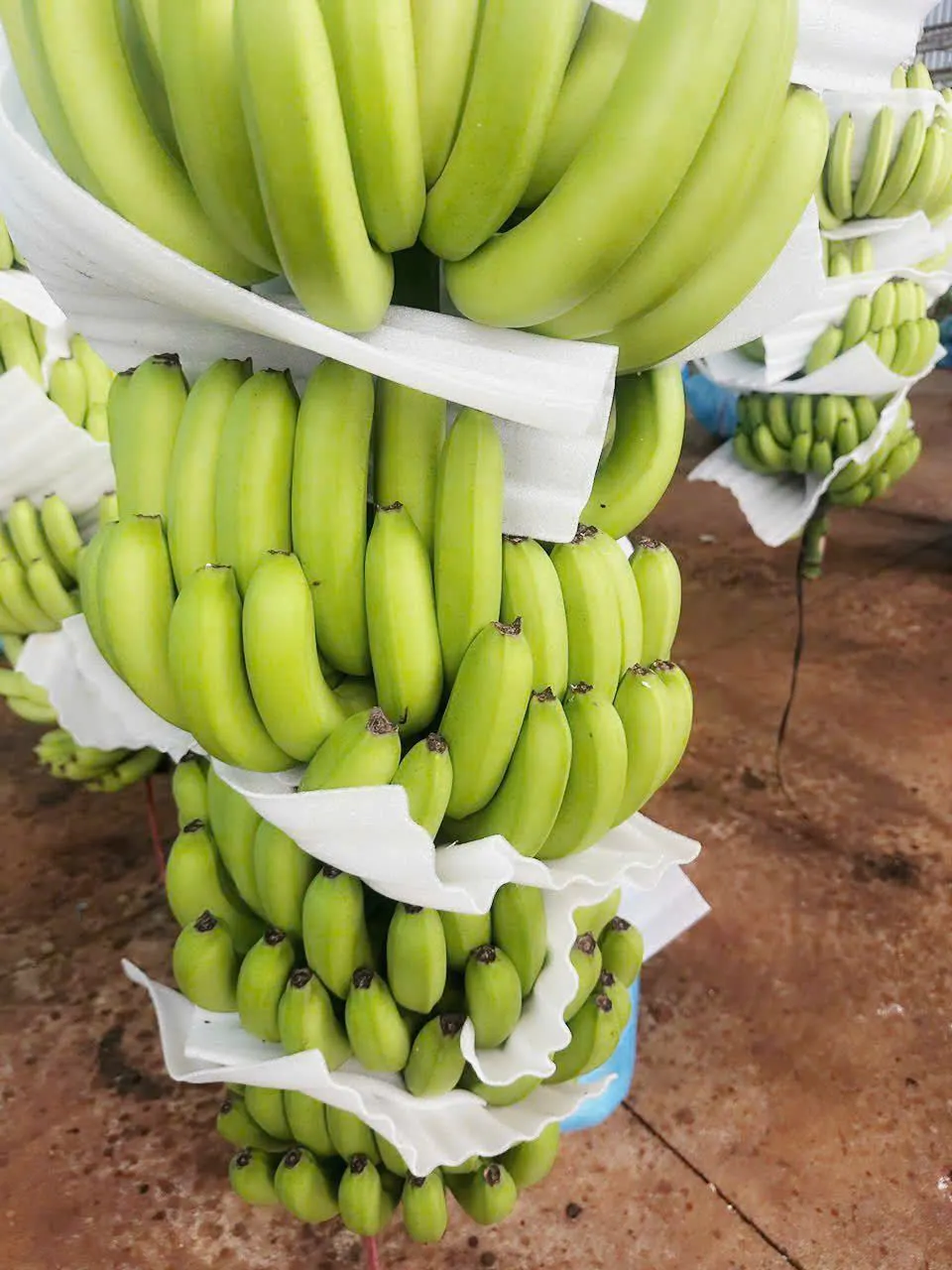
Vietnamese mangoes, especially Cat Hoa Loc mangoes, are highly regarded for their fragrant, sweet flavor and minimal fiber. However, the Korean market requires evenly ripened fruit, clean skin, and no disease spots. Fruit size is typically classified by weight and packed in trays or boxes with individual fruit protection. For bananas, the main requirements are ripeness upon arrival at port, uniform color, and storage time compatible with the distributor's sales plan.
Overall, Korean taste preferences focus not only on sweetness but also on consistency between batches. Importers typically require samples before signing long-term contracts and maintain periodic quality inspections throughout the delivery process.
Main distribution channel
Imported fruit entering South Korea typically goes through three main channel groups. The first is large retail chains and premium supermarkets, where packaging standards, labeling, and traceability requirements are strict. The second is the wholesale market and distributor system, which is generally more flexible on specifications but requires competitive pricing and large volumes. The third is e-commerce and online sales, which is growing with pre-cut or small-pack fruit products.
For Vietnamese exporters, choosing the right channel should be based on cold chain capacity, custom packaging capability, and readiness to invest in certifications. Shipments to South Korea typically use refrigerated containers, with transit times of 7–10 days depending on the port of departure and port of arrival. Maintaining stable temperature throughout the journey is a key factor in protecting fruit quality.
Implications for exporters
To maintain B2B orders in South Korea, exporters need to standardize processes from growing regions to packaging, ensure complete quarantine documentation, and control quality by batch. Investing in traceability and international certifications not only facilitates customs clearance but also creates an advantage when negotiating with importers. TFIMEX is ready to provide technical information, product samples, and support in connecting with South Korean partners via email at export@tfimex.vn.