Market context
Japan and South Korea are recording steady growth in frozen fruit imports, especially IQF (Individually Quick Frozen) products. The main reason comes from the expansion of the F&B industry: coffee chains, milk tea shops, bakeries, and ready-made food businesses need a stable supply of fruit ingredients year-round, independent of seasonality. In addition, convenience retail and food e-commerce in these two markets are also driving demand for ready-to-use frozen fruit packs.
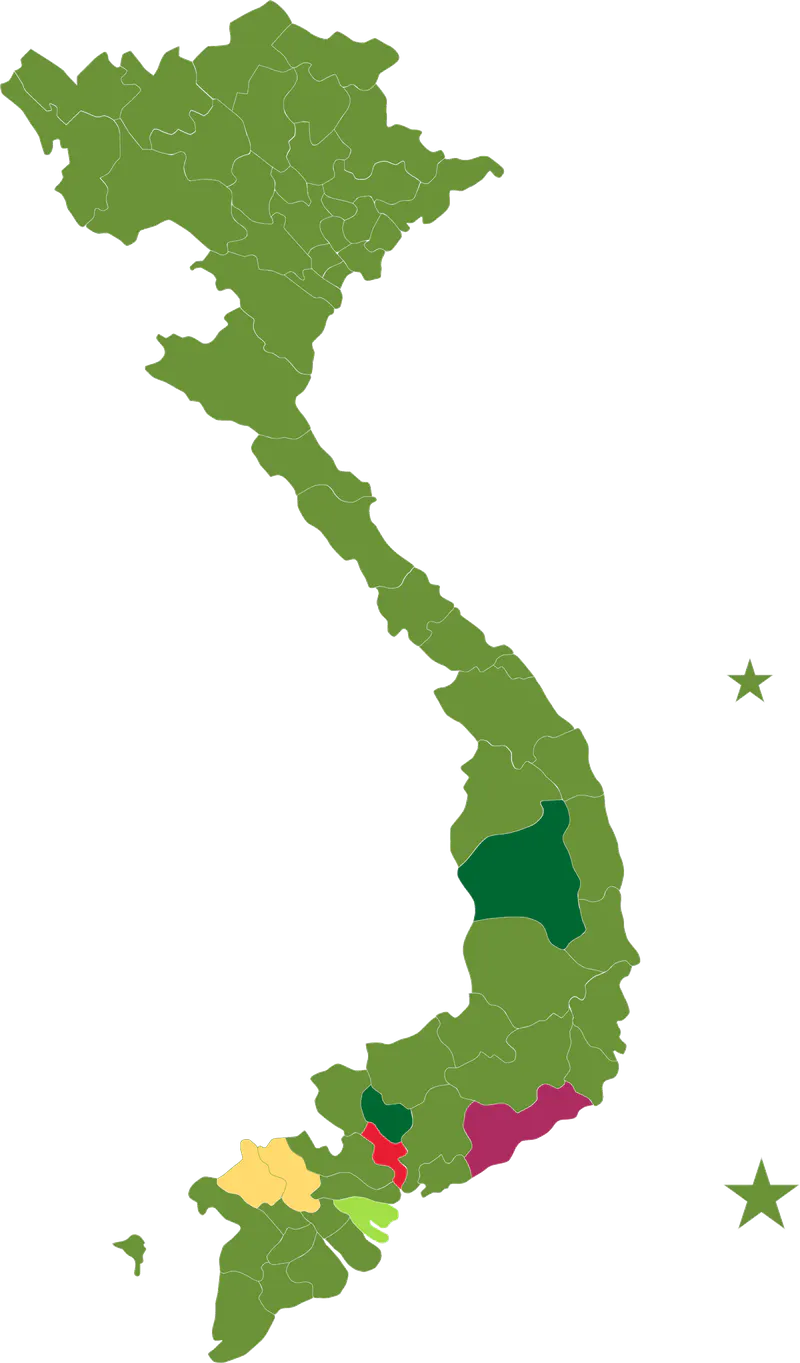
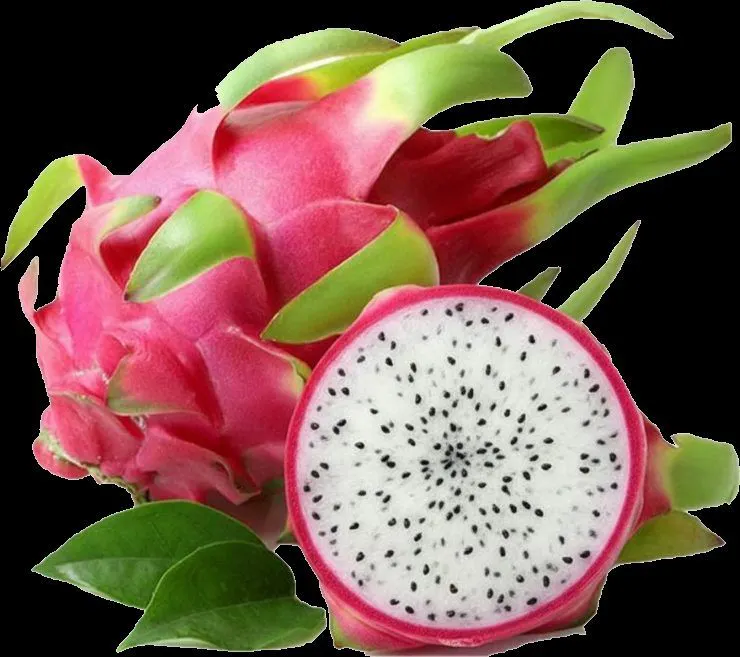
With the advantage of tropical raw materials from the Mekong Delta (Tien Giang, Long An, Binh Thuan), Vietnam is becoming an important supplier for products such as mango, durian, dragon fruit, passion fruit, and longan in IQF form.
Main applications in the F&B industry
In Japan, IQF fruit is widely used in smoothies, yogurt toppings, parfaits, and as an ingredient for beverage preparation in coffee chains. Confectionery and ice cream manufacturers also use IQF mango, strawberry, and passion fruit to maintain consistent flavor across batches.
In South Korea, demand is concentrated on ingredients for fruit tea, macarons, bingsu, and desserts. IQF durian and IQF passion fruit are the two items that Korean distributors are sourcing from Vietnam due to limited supply from Thailand and Malaysia during certain periods.
Common requirement: F&B buyers require ingredients that are uniform in size, color, sweetness (Brix), and free from clumping after thawing.
Technical standards required by the buyer
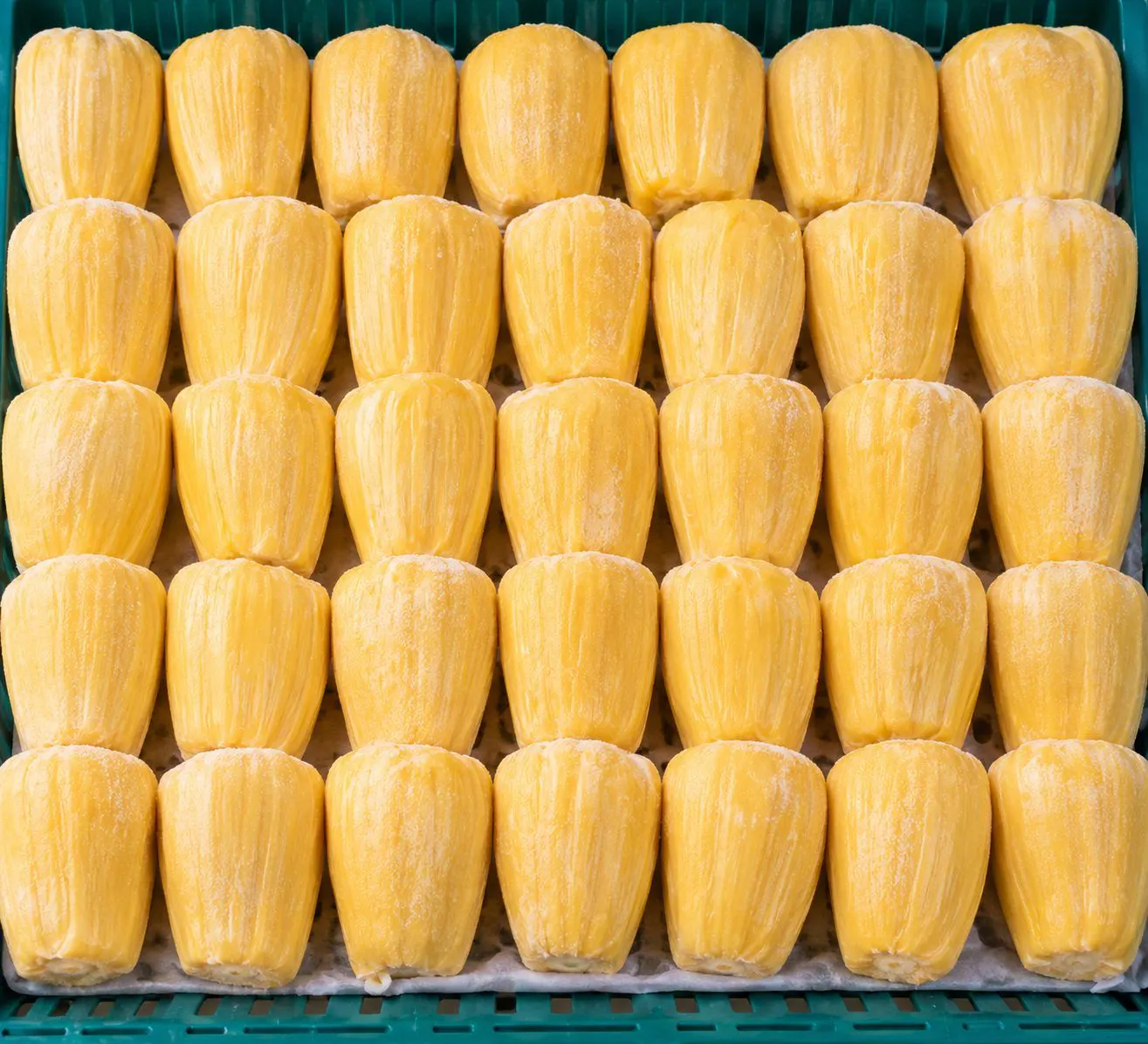
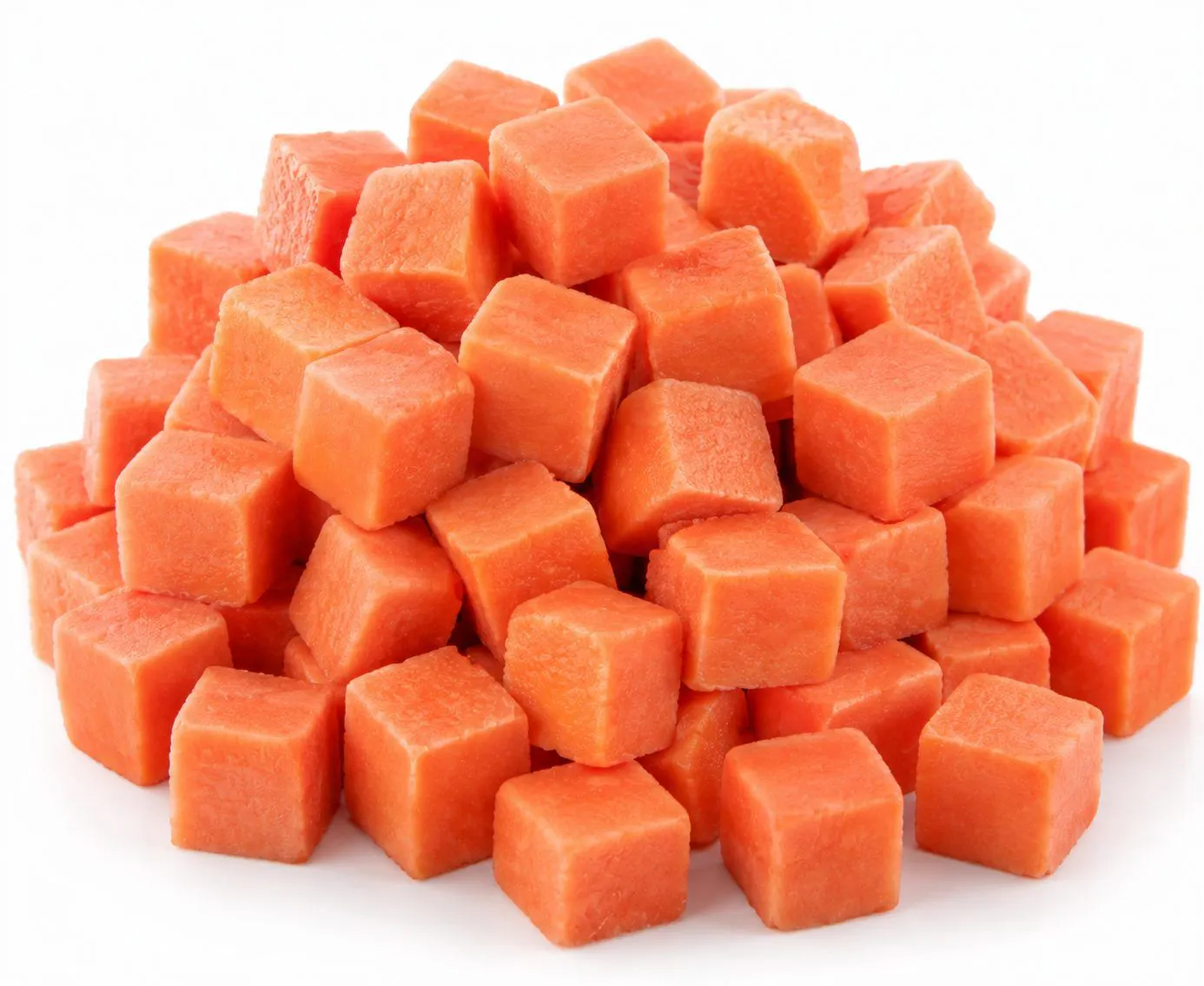
Regarding sensory and physicochemical properties: fruit must retain its shape after IQF, breakage rate ≤ 5-10% depending on the product, with no freezer burn. Brix is typically specified per item; for example, IQF mango usually requires a minimum Brix of 12-14, while IQF passion fruit requires characteristic acidity and aroma.
Regarding microbiology: products must meet the microbiological standards of Japan and South Korea, including total aerobic bacteria, E. coli, Salmonella, and Listeria monocytogenes. Many buyers require test results from an accredited laboratory (ISO 17025).
Regarding certifications: GlobalG.A.P. or VietGAP for raw material areas, HACCP/ISO 22000 for processing plants, and HALAL certification for certain distribution channels in South Korea. Batch-level traceability is a mandatory requirement.
Packaging: food-grade PE or PA/PE bags, common weights 500g, 1kg, 10kg; storage temperature -18°C or lower; shelf life typically 18-24 months. Labeling must comply with the regulations of Japan's Ministry of Health, Labour and Welfare or South Korea's MFDS.
Logistics and delivery time
Shipping is mainly by 20ft or 40ft refrigerated container, with temperature maintained at -18°C to -20°C. Transit time from Cat Lai Port (Ho Chi Minh City) to Yokohama/Kobe (Japan) is about 7-10 days; to Busan/Incheon (South Korea) about 5-7 days. Buyers typically require a production lead time of 2-3 weeks after order confirmation, depending on volume and season.
Maintaining cold chain control from the factory to the port and throughout the journey is a key factor in preventing spoilage and preserving sensory quality.
Implications for Vietnamese suppliers
To join the IQF supply chain for Japan and South Korea, suppliers need to invest in an IQF system with appropriate capacity, control input materials according to GlobalG.A.P. standards, and build complete traceability records. At the same time, clearly understanding each buyer's technical specifications (Brix, size, breakage rate, packaging) helps reduce negotiation time and increase the repeat order rate.
TFIMEX supplies Vietnamese fresh and IQF frozen fruit to the Japanese, Korean, and other markets. Contact export@tfimex.vn to discuss specifications and sample requests.