TFIMEX's periodic crop newsletter summarizes the raw material region status based on actual procurement data, helping importers proactively plan orders and documentation. September 2026 figures are updated through September 25.
Dragon fruit — Binh Thuan: end of main season
The main dragon fruit season (May–Sep) is in its final stage. Current procurement capacity remains in the range of 50–100 tons/day depending on fruit batches, with average Brix of 12+. VHT-treated goods for required markets are still being supplied as normal. Buyers needing to extend their plans into the off-season (October onward) should confirm schedules early to secure container slots.
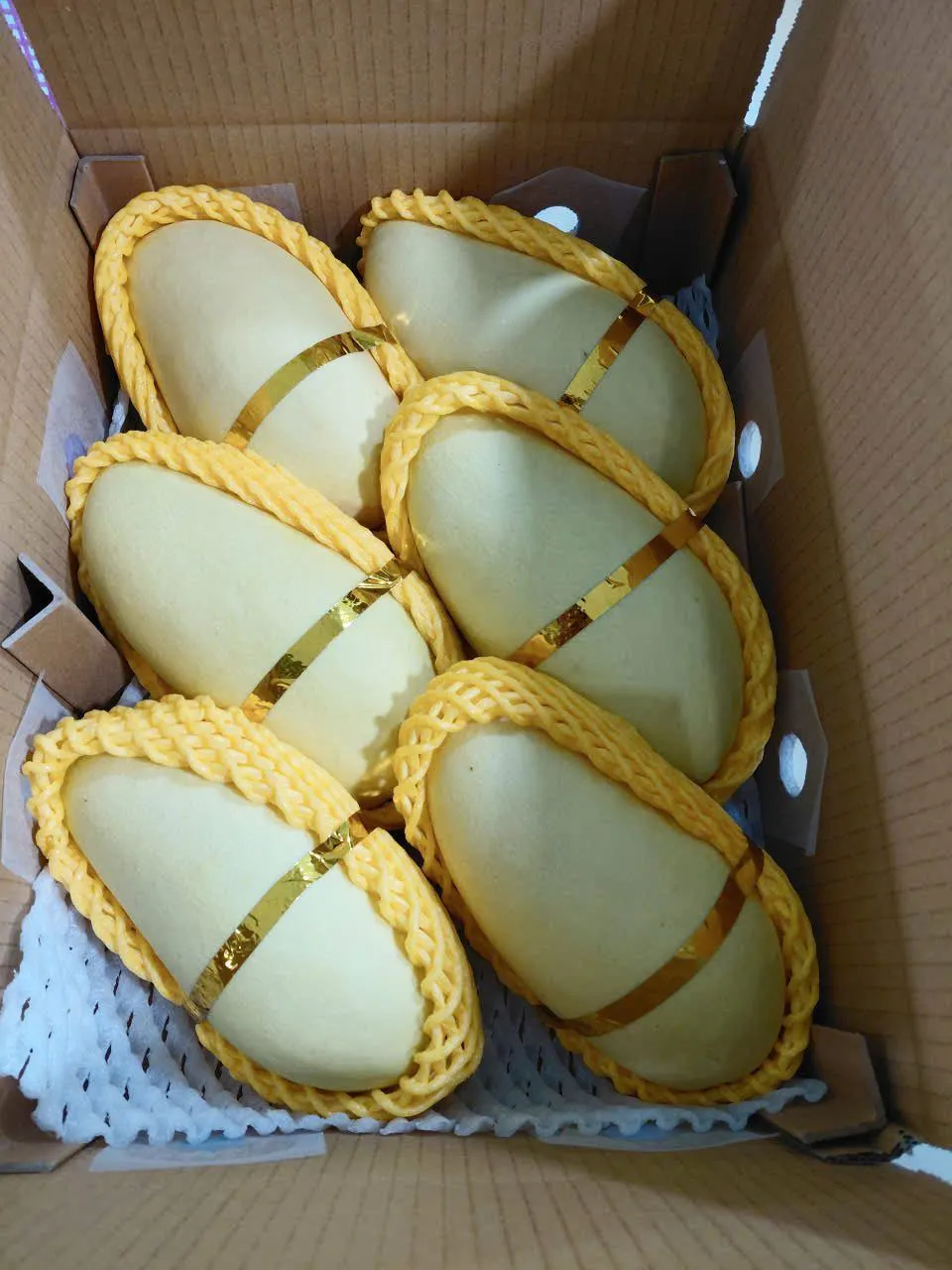
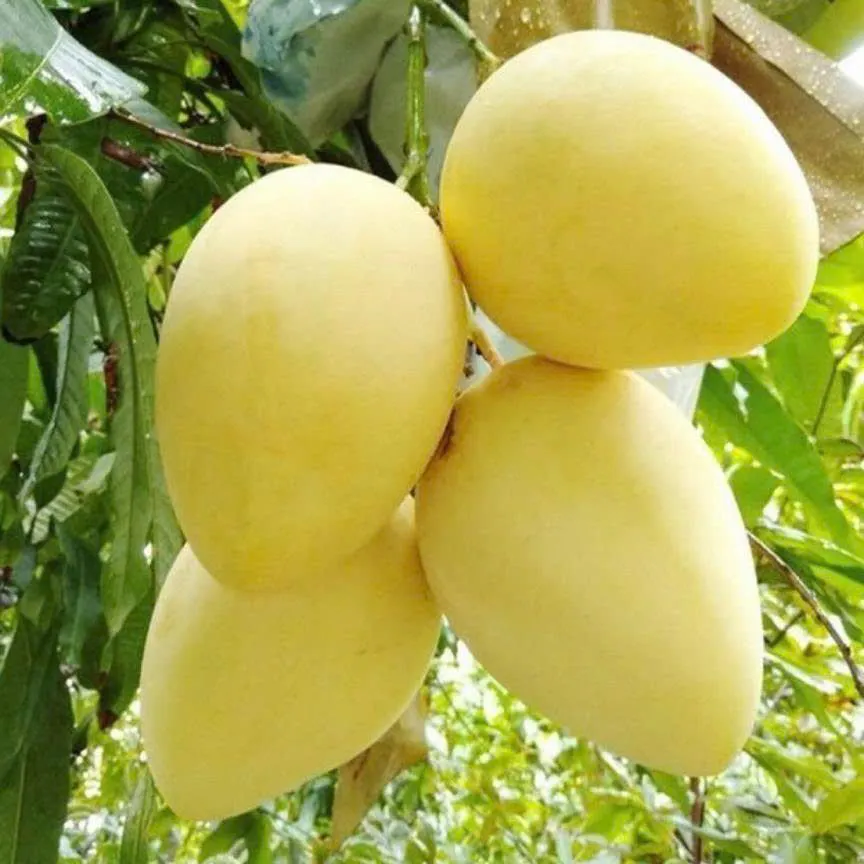
Cat Chu / Cat Hoa Loc Mango — Dong Thap · An Giang: out of season
The mango season from December to June has ended. The fresh supply for export will return in the new crop at the end of the year. During the period between the two seasons, the IQF mango line still supplies steadily to buyers needing processing materials.
Cavendish Bananas — Gia Lai · Binh Duong: year-round
The highland banana supply remains stable year-round, with export capacity equivalent to 700 containers per year across all product lines. This is a suitable product for long-term contracts with fixed delivery schedules.
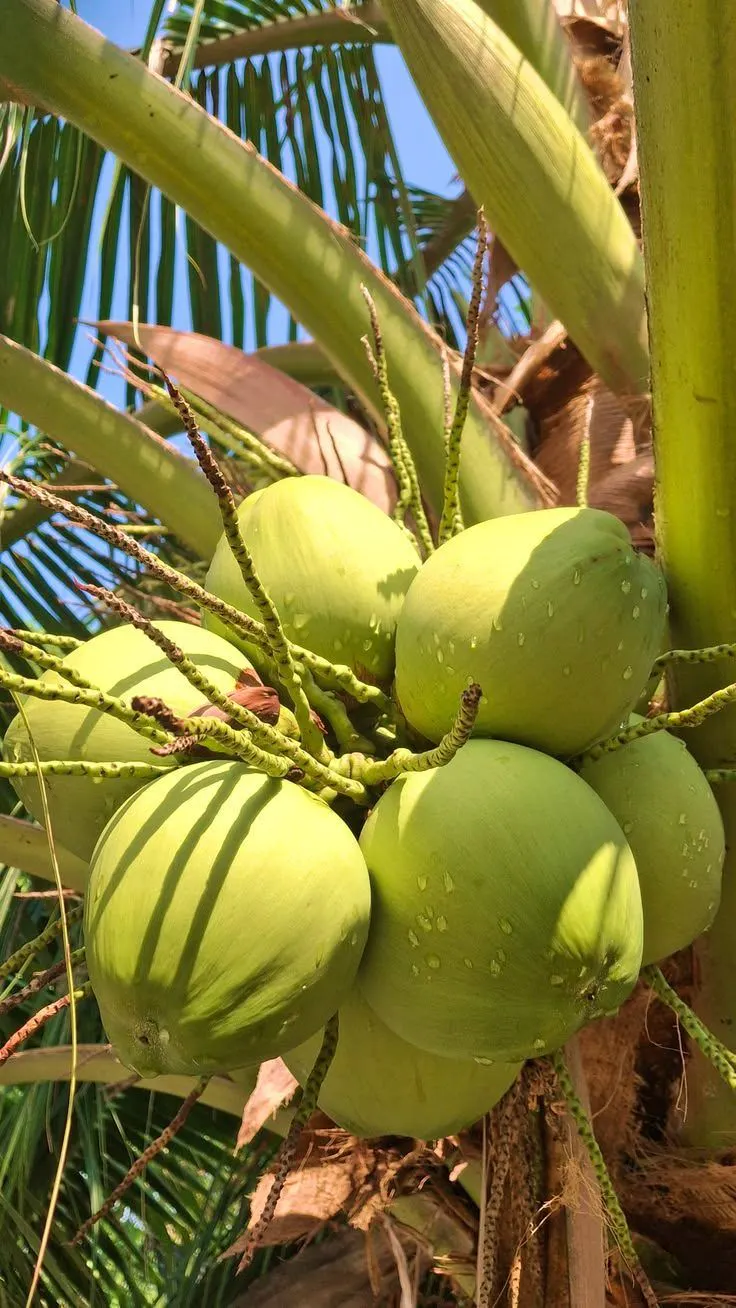
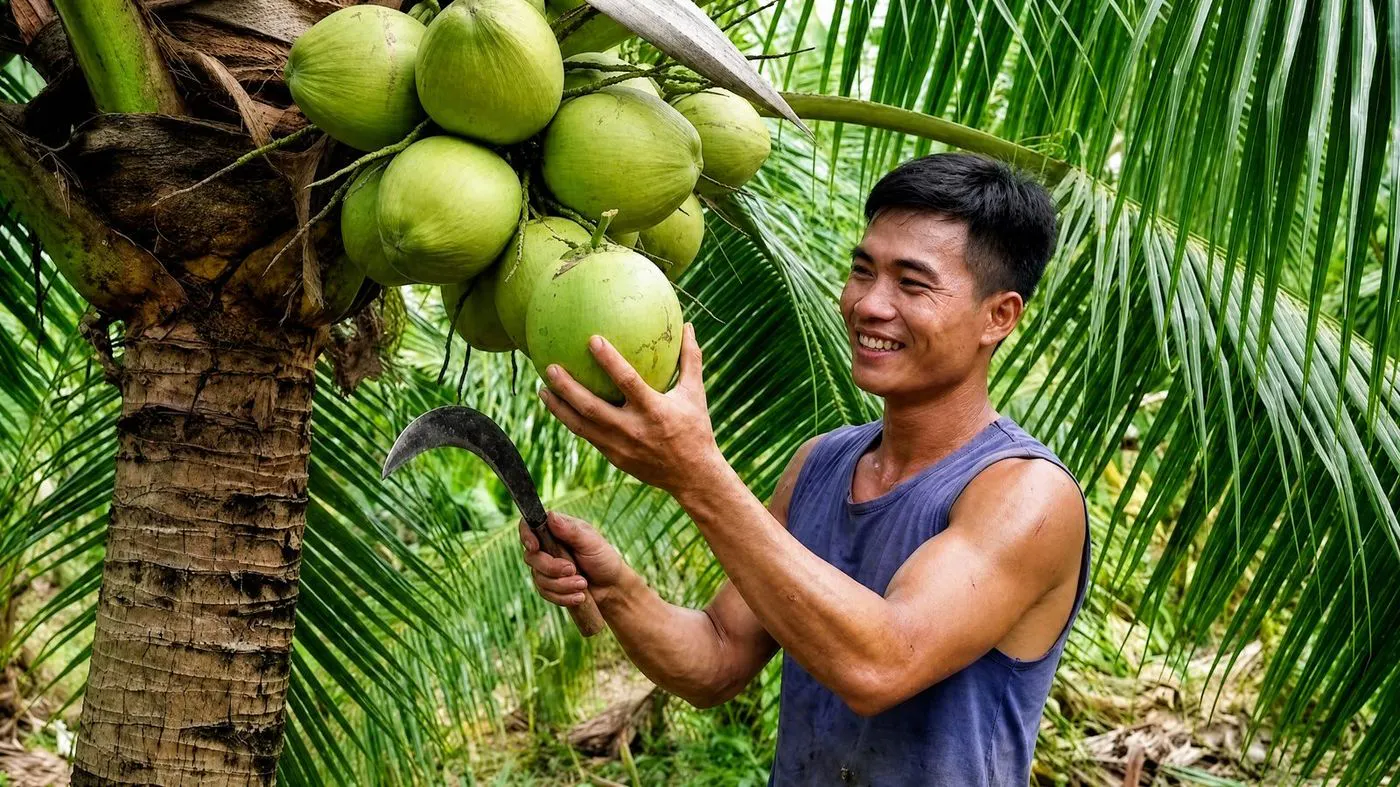
Fresh Coconut — Ben Tre: year-round
Ben Tre fresh coconuts maintain steady supply, Brix 7+, undergo 3 quality control steps and cold storage before container loading.
Recommendations for buyers
- Schedule dragon fruit for shipments in late September to early October to take advantage of the tail end of the main season.
- Fresh mangoes: planning for the new season in December; raw material demand for processing shifts to the IQF segment.
- Bananas and coconuts: annual supply framework agreements, suitable for regular import programs.
Contact export@tfimex.vn or (+84) 949 052 456 to receive a detailed weekly supply schedule and specifications for each product.
Reference source
Seasonal calendar and capacity based on TFIMEX operational data; phytosanitary regulations referenced from the Plant Protection Department (ppd.gov.vn) and South Korea's APQA.